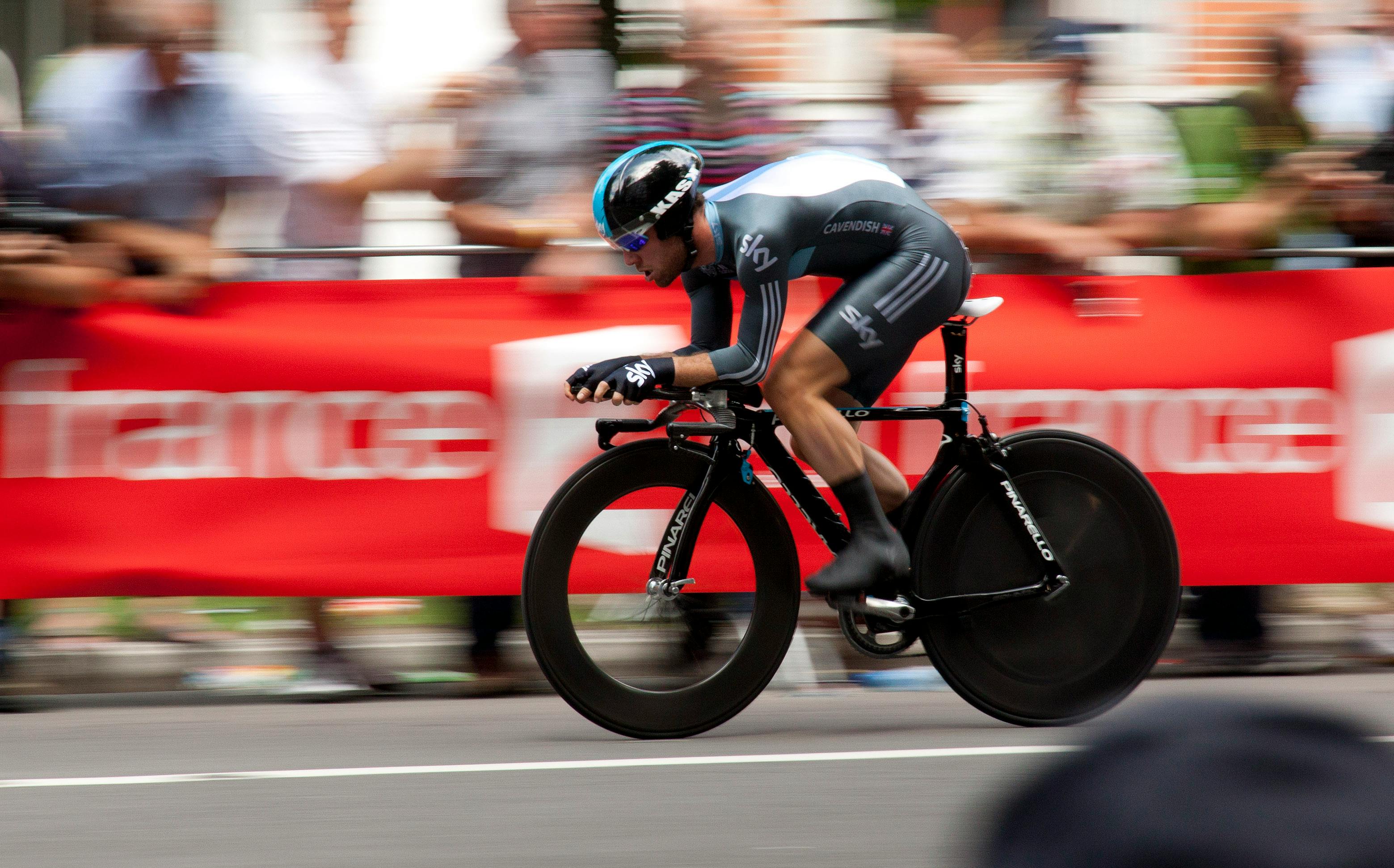
Every January, cyclists commit to riding 4 times a week. By March, they’re riding twice a month.
The problem isn’t motivation. It’s that motivation is the wrong tool.
Here’s what actually builds consistency, straight from coaches and pros who’ve cracked the code.
The Consistency Paradox
You think: “I need to stay motivated to ride consistently.”
Reality: You need to ride consistently to stay motivated.
Consistency creates motivation, not the other way around.
Strategy 1: Make It Stupidly Easy (The 15-Minute Rule)
From: Coach Colby Pearce, pro cycling coach
The principle: Lower the barrier until saying “no” feels harder than saying “yes.”
How it works:
- Commit to just 15 minutes per ride
- No distance minimums
- No intensity requirements
- Just get on the bike for 15 minutes
Why it works: You can always find 15 minutes. You can always handle 15 minutes of riding. Once you’re on the bike, you’ll usually go longer—but you don’t have to.
The psychology: We fail to start because the task feels overwhelming. 15 minutes doesn’t overwhelm anyone.
Real Application
Bad goal: “I’ll ride for an hour, four times this week.” (Misses one ride, feels like failure, quits entirely)
Better goal: “I’ll ride for 15 minutes, four times this week.” (Hits all four rides, often goes longer, builds momentum)
Strategy 2: Anchor to Existing Habits
From: James Clear, habit researcher & Strava user
The principle: Don’t create a new habit from scratch. Attach it to something you already do every single day.
How it works:
- Pick an existing daily habit (coffee, lunch, end of workday)
- Immediately follow it with a bike ride
- Make the sequence automatic
Why it works: Your brain already has a routine. You’re just adding one link to an existing chain.
Real Application Examples
“After my first cup of coffee, I ride for 20 minutes before work.” (Coffee is the anchor. Riding becomes the automatic next step.)
“When I finish work, I close my laptop and immediately put on cycling kit.” (Work ending is the trigger. Riding becomes the transition ritual.)
“After dropping kids at school, I ride before going home.” (School drop-off is the anchor. The route home now includes a ride.)
Pro Tip from Bradley Wiggins
“I laid out my cycling kit the night before, next to my bed. When my alarm went off, the first thing I saw was the kit. Made it automatic.”
Strategy 3: Remove Decision Points
From: Chris Froome’s training philosophy
The principle: Every decision is an opportunity to quit. Remove all decisions.
How it works:
- Same time every day: No deciding “when” to ride
- Same route: No deciding “where” to go
- Same bike ready to go: No deciding “which bike” or “is it flat?”
Why it works: Decision fatigue kills consistency. Pros don’t decide IF they ride. They just ride at 9am because that’s what 9am means.
Set It and Forget It
Monday/Wednesday/Friday: 7am, same 20-mile loop Tuesday/Thursday: 6pm, easy spin on local bike path Saturday: 9am, long ride (wherever feels fun)
No decisions. Just show up when the calendar says to show up.
Strategy 4: The Non-Negotiable Minimum
From: Joe Friel, legendary cycling coach
The principle: Decide your bare minimum, then protect it like a meeting with your boss.
How it works:
- Set an absolute minimum (e.g., “3 rides per week, no matter what”)
- Treat those rides as non-negotiable
- Everything beyond the minimum is a bonus
Why it works: You’re not trying to be perfect. You’re just protecting the floor.
The Protection Strategy
The rule: “I ride Monday, Wednesday, Saturday. No exceptions.”
When life happens:
- Sick? Still ride Monday (even if it’s just 10 minutes easy)
- Busy? Still ride Wednesday (even if it’s before dawn)
- Tired? Still ride Saturday (even if it’s a coffee shop cruise)
The result: You might miss bonus rides. You never miss the minimum.
Strategy 5: Make It Social (or Make It Solo)
From: Pro team insights
The principle: Match your riding style to your personality, not someone else’s ideal.
If you’re social:
- Join a regular group ride (same time, same place, every week)
- Accountability through friendships
- You’ll show up because others expect you
If you’re introverted:
- Solo rides at your own pace
- No performance pressure
- Riding becomes meditation, not social event
Why it works: Forcing yourself into the wrong riding style kills consistency. Introverts burn out on group rides. Extroverts lose motivation riding alone.
How to Know Which You Are
You’re social if: You skip rides when your riding buddies aren’t available.
You’re solo if: Group rides feel like work, and you’re happiest alone with your thoughts.
Both are valid. Pick the one that makes you want to ride.
Strategy 6: Track Streaks, Not Performance
From: Strava insights on user retention
The principle: Don’t track how fast or far. Track how many days in a row you showed up.
How it works:
- Open a calendar
- Mark an X every day you ride (even 10 minutes counts)
- Focus on not breaking the chain
Why it works: Performance fluctuates. Showing up doesn’t. You’re building identity, not fitness.
The Streak Psychology
Day 1-7: “I’m trying to build a habit.” Day 8-30: “I’ve been riding for a month straight.” Day 31-100: “I’m someone who rides every day.” Day 100+: “Cycling is just what I do.”
The streak becomes part of your identity. Breaking it feels wrong.
Strategy 7: Pre-Commit Publicly
From: Behavioral economics research
The principle: Public commitment creates accountability through social pressure.
How it works:
- Announce your goal to friends, family, or Strava
- Post ride plans in advance
- Share ride recaps afterward
Why it works: You don’t want to be the person who announced a goal and then ghosted it.
Real Examples
Strava: “Riding 100 miles this week. See you on the leaderboard.” Instagram: “Day 30 of my 365-day riding streak.” Group chat: “Riding tomorrow at 7am. Who’s in?”
Strategy 8: Design Your Environment
From: Atomic Habits principles applied to cycling
The principle: Make riding easy. Make not riding hard.
How it works:
- Bike visible: Keep it in your living room, not the garage
- Kit laid out: Set out tomorrow’s cycling clothes tonight
- Shoes by the door: Remove friction from getting started
Why it works: Every obstacle between you and riding is a reason to quit. Remove obstacles.
The Environment Redesign
Before: Bike in garage, flat tire, kit in the laundry, shoes somewhere. Result: “Ugh, I’ll ride tomorrow.”
After: Bike in hallway, always ready, kit on bedside table, shoes next to bike. Result: “I’ll just do 20 minutes.”
Strategy 9: The Bad Ride Rule
From: Tim Johnson, pro cyclocross racer
The principle: Bad rides don’t count against you. Only missed rides count.
How it works:
- You feel terrible? Still counts.
- Ride was slow? Still counts.
- Cut it short? Still counts.
- Skipped entirely? Doesn’t count.
Why it works: Perfectionists quit because one “bad” ride makes them feel like failures. This rule removes that trap.
Apply It
The bad ride: You planned 60 minutes, did 25, felt sluggish the whole time.
Old mindset: “That was a waste. I suck.”
New mindset: “I showed up. That’s the only metric that matters.”
Strategy 10: Seasonal Periodization
From: Pro training principles adapted for normal cyclists
The principle: You don’t have to love cycling 365 days a year. Build seasons.
How it works:
- Peak season (3-4 months): Ride often, big goals, high motivation
- Base season (3-4 months): Ride for enjoyment, no pressure
- Off-season (2-3 months): Ride occasionally, do other activities
Why it works: Forcing year-round intensity burns you out. Seasons create natural rhythm.
Build Your Seasons
Spring (Peak): Training for a summer century, riding 5x per week Summer (Base): Maintaining fitness, riding for fun, 3x per week Fall (Peak): Training for gran fondo, structured plan Winter (Off): Indoor trainer 2x per week, trying other sports
The One Thing All Pros Agree On
Consistency beats intensity.
The cyclist who rides 30 minutes, four times a week, for a year will outlast the cyclist who rides 4 hours once a week for two months.
Your Consistency Plan
Pick three strategies from this list. Not all ten. Just three.
Example combination:
- 15-minute minimum rides
- Anchor to existing habit (ride after morning coffee)
- Track streaks, not speed
That’s it. Three simple rules. Follow them for 90 days.
You’ll be shocked how much consistency compounds.