Col de la Madeleine is the climb that separates serious Alpine cyclists from tourists. At 2,000 meters with nearly 1,500 meters of vertical gain on the classic approach, it’s one of the longest and most demanding climbs in the French Alps—yet it rarely gets the attention it deserves.
The Underrated Giant
While Alpe d’Huez and Galibier grab headlines, the Madeleine quietly delivers some of the most consistent, demanding climbing in the Alps. There are no flat sections to recover, no descent breaks, just kilometer after kilometer of honest gradient that tests your legs and your mental fortitude.
Route Options
From La Chambre (North - Classic Route)
- Distance: 19.2 km
- Elevation Gain: 1,520 m
- Average Gradient: 7.9%
- Maximum Gradient: 10.2%
This is the legendary approach, the one that has broken riders in the Tour de France. Starting from the Maurienne valley, the climb begins immediately and never relents. The gradient hovers between 7-9% for virtually the entire ascent.
From Aigueblanche (South)
- Distance: 28.3 km
- Elevation Gain: 1,533 m
- Average Gradient: 5.4%
- Maximum Gradient: 9%
A longer but more varied approach from the Tarentaise valley. The gradient is less consistent, with some gentler sections that allow recovery. This route passes through the ski resort of Celliers before tackling the steeper final kilometers.
What Makes It Special
The Length: Unlike many Alpine climbs that pack their difficulty into shorter, steeper sections, the Madeleine maintains pressure for nearly 20 kilometers. It’s a war of attrition rather than explosive effort.
The Consistency: The gradient barely wavers from the 7-8% range on the northern approach. You can’t surge and recover—you have to find a sustainable rhythm and hold it.
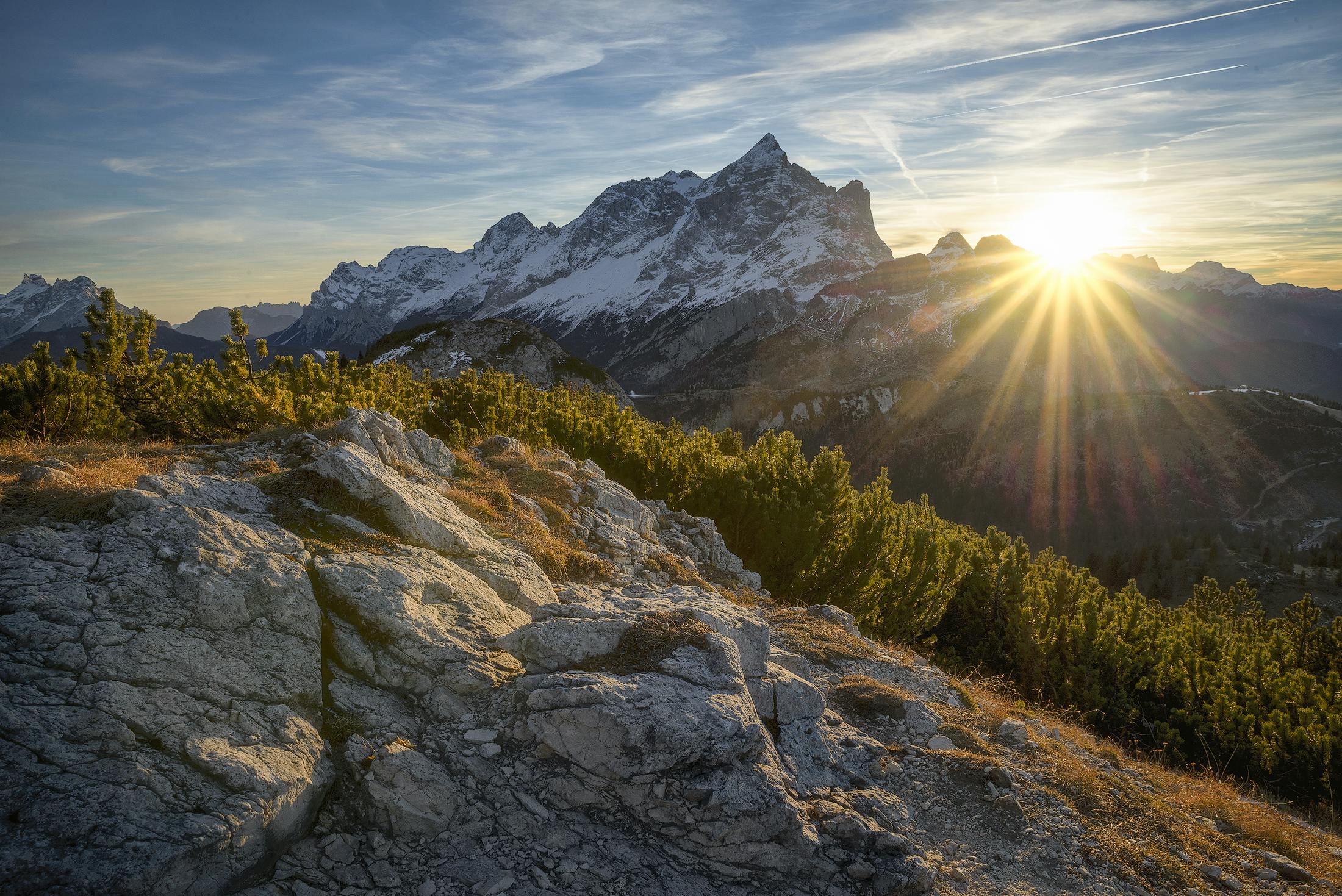
The Views: From the summit, you get panoramic views of the Vanoise massif and Mont Blanc range. On clear days, you can see across the entire Maurienne valley to the Galibier.
Tour de France History
The Madeleine has appeared in the Tour over 25 times since 1969, typically serving as a crucial early climb in Alpine stages. It’s often used to soften the peloton before a summit finish elsewhere—testimony to its leg-sapping difficulty.
The climb is rarely where races are won, but it’s frequently where they’re lost. Riders who misjudge their effort on the Madeleine often pay the price on subsequent climbs.
Best Time to Ride
June through September is the riding season. The pass opens later than lower climbs due to its altitude.
July and August bring the best weather but also traffic from the Tour de France and summer tourism.
September offers quieter roads and stable conditions—ideal for experiencing the climb without distraction.
Practical Strategy
Pacing is Everything: This climb rewards conservative starts. The first 5 kilometers feel manageable, but the accumulated fatigue over 19 kilometers can destroy overeager riders. Aim for an effort you can sustain for 90+ minutes.
Gearing: A compact crank with 34x32 or lower is recommended. The relentless 8% gradients grind down anyone running too big a gear.
Fueling: The climb takes 1.5-2.5 hours depending on fitness. Start eating and drinking early and consistently. There’s nothing at the summit, so carry what you need.
Mental Game: Break the climb into thirds. The first third establishes your rhythm, the middle third tests your discipline, and the final third rewards your patience.
Weather Considerations
At 2,000 meters, weather changes quickly. Start early to avoid afternoon thunderstorms common in summer. The summit can be 10-15°C cooler than the valley floor—pack a wind jacket for the descent.
The northern approach is shaded in the morning, which can be cool early in the season. The southern approach gets more sun throughout the day.
Combination Routes
The Madeleine sits in perfect position for epic loop rides:
- Madeleine + Glandon: A classic Tour combination. Descend south and climb the Glandon from Belleville.
- Trois Vallées Challenge: Combine Madeleine with Col de la Croix de Fer and Galibier for a brutal day.
- Beaufortain Loop: Link Madeleine with the Cormet de Roselend for varied terrain and stunning scenery.
The Summit Experience
The summit of the Madeleine offers one of the finest viewpoints in the Alps. On the rare perfectly clear day, the vista extends from the Vanoise glaciers to the distant Mont Blanc massif. A small chapel marks the top—a peaceful spot to recover before the long descent.
The descent back to La Chambre is technical and fast, with sweeping turns that reward good bike handling. The southern descent to Aigueblanche is longer but equally engaging.
Why You Should Ride It
Col de la Madeleine teaches patience. There are no shortcuts, no recovery sections, no merciful flat stretches. It’s 19 kilometers of honest climbing that rewards steady effort and punishes ego.
For cyclists seeking authentic Alpine challenges away from the crowds, the Madeleine delivers. It’s the climb that local riders use to test their form, the mountain that separates preparation from wishful thinking. Master the Madeleine, and you’ve proven you belong in the high Alps.