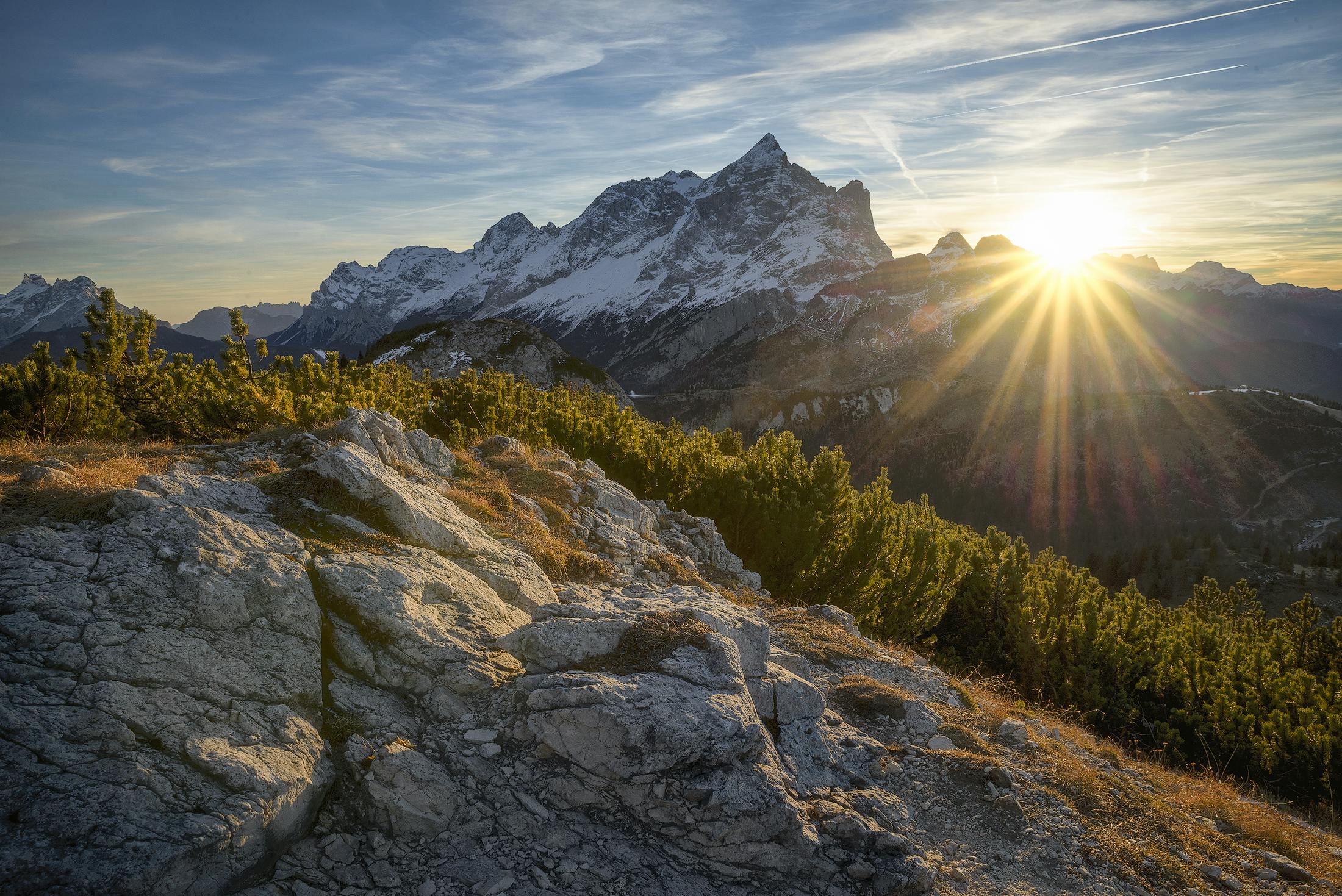
Col de Vars sits at 2,108 meters as a crucial link in the Route des Grandes Alpes, the legendary road connecting Lake Geneva to the Mediterranean. While less famous than its neighbors, the Vars offers consistent climbing, spectacular scenery, and that authentic Alpine experience without the crowds.
History and Heritage
The road over Col de Vars dates to Napoleon’s era when it served as a military route connecting the Ubaye valley to the north. Today, it’s part of the Route des Grandes Alpes (D902) and regularly features in the Tour de France—though often as a stepping stone to more famous finishes rather than a destination in itself.
This secondary status is precisely what makes it special. You’ll share the road with serious cyclists and touring motorcyclists rather than selfie-seeking crowds.
Route Options
From Guillestre (North)
- Distance: 18.8 km
- Elevation Gain: 1,068 m
- Average Gradient: 5.7%
- Maximum Gradient: 9%
The northern approach from Guillestre is the more gradual option. After passing through the village of Vars, the road winds steadily upward through forests before emerging into open alpine meadows. The final kilometers offer magnificent views of the surrounding peaks.
From Saint-Paul-sur-Ubaye (South)
- Distance: 9.7 km
- Elevation Gain: 748 m
- Average Gradient: 7.7%
- Maximum Gradient: 10%
The southern approach is shorter but steeper, climbing from the wild Ubaye valley. This side sees less traffic and feels more remote. The hairpins offer drama, and the views down the valley are extraordinary.
What Makes It Special
The Position: Col de Vars is perfectly placed for linking multiple climbs. It’s the natural connection between Izoard, Agnel, and Bonette, making it essential for any multi-day Alpine adventure.
The Consistency: Unlike climbs with killer steep sections, Vars maintains honest gradients throughout. It’s the kind of climb where you can find a rhythm and hold it.
The Quiet: Without a big-name reputation, Vars offers a more peaceful experience than the famous passes. You’ll have space to enjoy the scenery.
Tour de France History
The Vars has featured in over 35 Tours since 1922, making it one of the race’s most frequent Alpine visits. It’s typically used as a warm-up before bigger finishes—riders tackle Vars before ascending to Izoard, or cross it en route to summit finishes elsewhere.
This supporting role shouldn’t diminish its appeal. The pros take it seriously, and so should you.
Best Time to Ride
June through October typically sees the pass open, depending on snowfall.
July brings Tour de France energy if the race visits, plus the best weather.
September offers golden light, quieter roads, and stable conditions—arguably the finest time to experience the climb.
Practical Strategy
Pacing: From either side, the climb takes 1-1.5 hours for most recreational cyclists. The gradients are manageable but accumulate over the distance. Stay controlled.
Gearing: Standard compact gearing (34x28) works fine for most riders. The maximum gradients aren’t extreme.
Supplies: The village of Vars (ski resort) has shops and cafes. The summit has limited facilities—bring what you need.
Timing: Start early if you’re linking this with other passes. The high altitude means afternoon weather can be unpredictable.
Combination Routes
Col de Vars shines as part of bigger adventures:
- Vars + Izoard: The classic pairing. Descend north to Guillestre, then tackle the Izoard for a perfect day.
- Vars + Agnel: Combine with nearby Col Agnel for a Tour de France double-header.
- Route des Grandes Alpes: Use Vars as part of the multi-day traverse from Lake Geneva to Nice.
- Bonette + Vars Loop: Epic day combining Europe’s highest paved road with the Vars crossing.
The Summit Experience
The summit of Col de Vars is marked by a modern ski resort development, which some find detracts from the alpine atmosphere. However, the views remain spectacular—particularly looking south toward the wild Ubaye valley or north toward the Queyras peaks.
A small cafe operates at the summit during summer, offering the chance to refuel before continuing your adventure.
The Descents
Both descents are enjoyable. The north side toward Guillestre features long, sweeping curves through forest and meadow. The south side into the Ubaye is more technical with tighter hairpins and steeper gradients.
Take care on either side—the road surface varies and traffic can appear unexpectedly around corners.
Why You Should Ride It
Col de Vars represents Alpine cycling at its most accessible. The gradients are challenging but not brutal. The scenery is magnificent without being overcrowded. The position makes it perfect for multi-pass adventures.
This is the kind of climb that builds confidence for bigger challenges. Master Vars, and you’ve proven you can handle sustained Alpine climbing. Use it as a stepping stone to Izoard, Agnel, or Bonette—or simply enjoy it for its own considerable merits.
For cyclists exploring the Route des Grandes Alpes or building a Tour de France bucket list, Col de Vars is essential. It might not headline the race, but it’s woven into the fabric of Alpine cycling history.