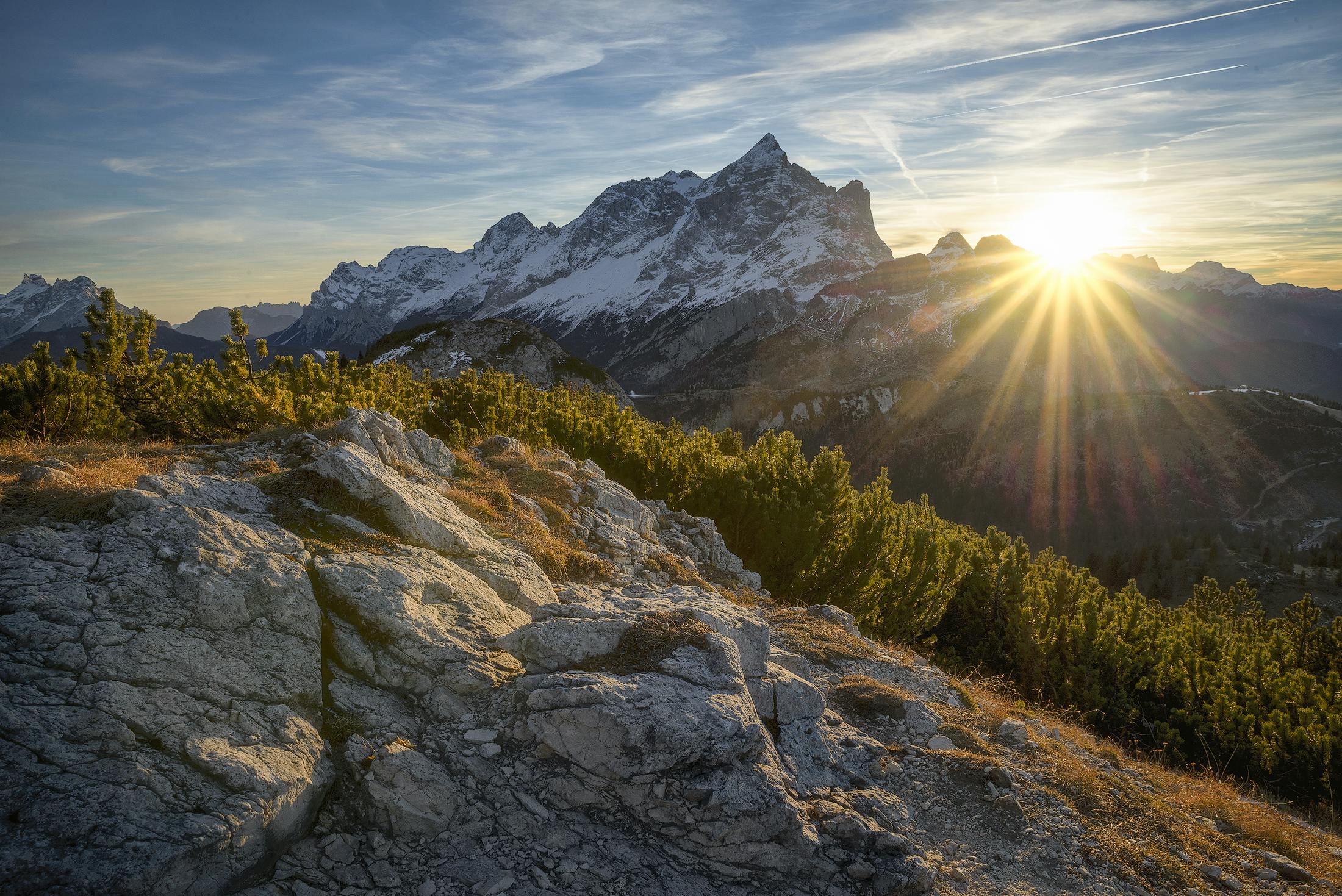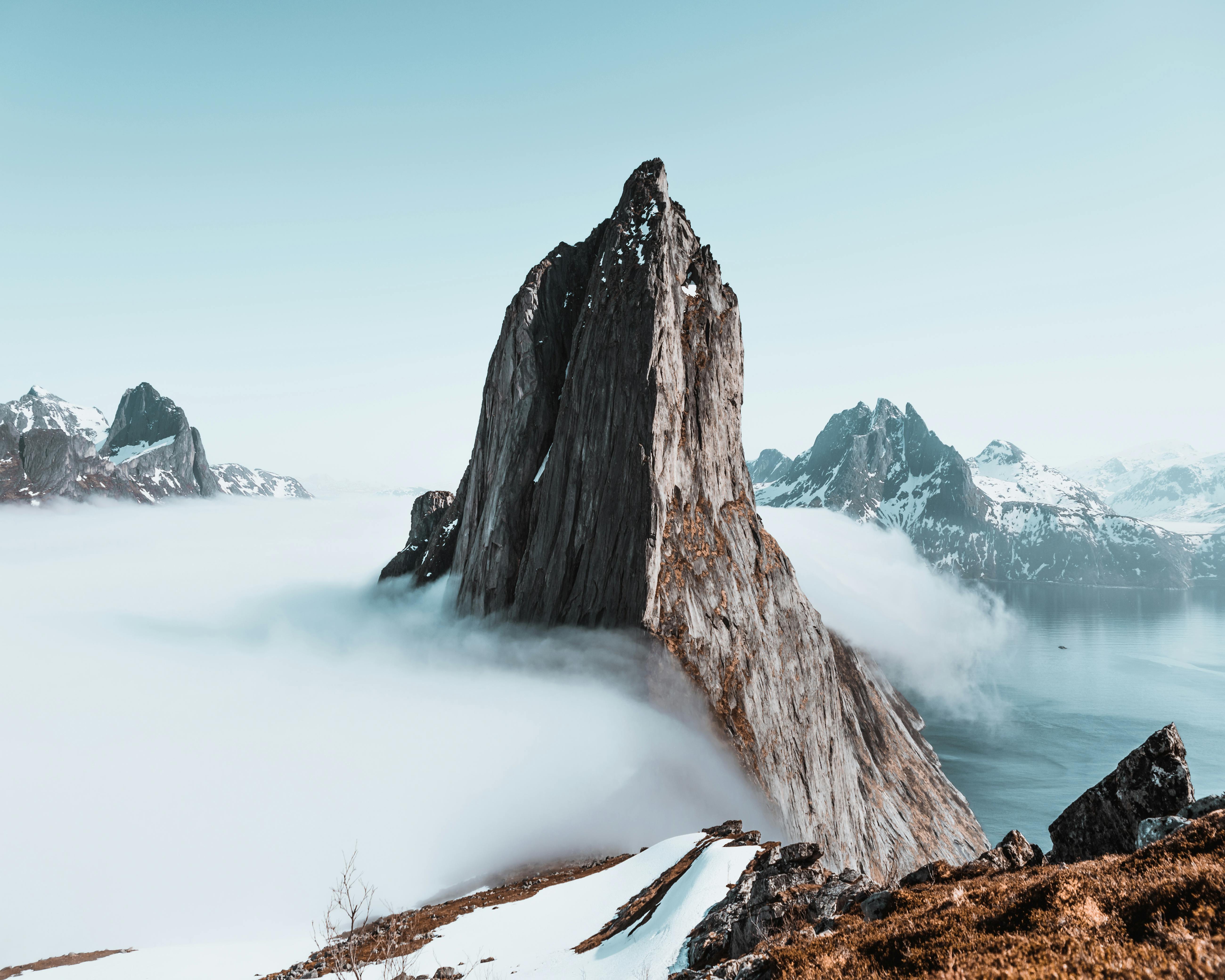
Col du Télégraphe is cycling’s great warm-up act. At 1,566 meters, it’s the necessary prelude to the mighty Galibier, and most riders experience it as part of that greater whole. But the Télégraphe deserves recognition in its own right—a consistent, beautiful climb that teaches the rhythm of Alpine cycling.
The Gateway Climb
The Télégraphe serves as the gateway between the Maurienne valley and Valloire, the launching point for the Galibier. In Tour de France stages, it’s where the real climbing begins and where riders establish their position before the main event.
But approaching it merely as an appetizer misses the point. The Télégraphe is a substantial climb with over 850 meters of elevation gain, consistent gradients, and views that rival any in the Alps.
Route Profile
From Saint-Michel-de-Maurienne
- Distance: 11.9 km
- Elevation Gain: 856 m
- Average Gradient: 7.2%
- Maximum Gradient: 9.5%
The climb begins in Saint-Michel-de-Maurienne, a working-class town in the Maurienne valley. From the first pedal stroke, you’re climbing—there’s no gentle warm-up. The gradient averages 7-8% throughout, with a brief respite in the village of Saint-Martin-d’Arc before the final push to the summit.
What Makes It Special
The Consistency: Unlike climbs with brutal steep sections, the Télégraphe maintains honest gradients throughout. It’s predictable in the best way—you know what you’re getting, and you can plan accordingly.
The Position: Standing at the summit, you’re at a crossroads of Alpine cycling. The Galibier towers ahead, the Maurienne valley spreads below, and the road to Valloire beckons.
The History: Every Tour de France Galibier stage from the north passes over the Télégraphe. You’re riding the same road as Coppi, Merckx, Indurain, and Pogačar.
Tour de France Heritage
The Télégraphe has been part of Alpine Tour stages since the race first ventured into high mountains. It’s typically not categorized as highly as its neighbors (usually Category 1 or HC), but its role is crucial—it separates riders before the Galibier assault.
Watch footage of any Galibier stage, and you’ll see the peloton shattering on the Télégraphe long before the real climbing begins.
Best Time to Ride
May through October offers accessible conditions, as the pass sits at a moderate altitude.
Summer months bring warm temperatures in the valley—start early to avoid afternoon heat.
Autumn can be spectacular with fall colors in the forests and clear mountain views.
Practical Strategy
Pacing for the Galibier: If you’re continuing to the Galibier, treat the Télégraphe as a warm-up. Keep intensity controlled—around 70-75% of your threshold. The real climbing comes later.
Standalone Effort: If the Télégraphe is your main objective, you can push harder. It’s a 45-75 minute effort depending on fitness.
Fueling: Stock up in Saint-Michel-de-Maurienne. There are cafes in Valloire at the summit if you’re continuing, but the summit itself has limited services.
Gearing: Standard compact gearing works well. A 34x28 is sufficient for most riders.
The Summit at Valloire
The summit of Col du Télégraphe sits just above Valloire, a pleasant ski village with cafes and shops. In summer, it’s a popular base for cyclists tackling both the Télégraphe and Galibier.
The views from the summit look back down the climb you’ve just completed and forward toward the Galibier. On clear days, you can see the road winding up toward the higher pass.
Continuing to Galibier
Most cyclists treat Télégraphe and Galibier as a single, combined effort. After summiting the Télégraphe, descend briefly into Valloire before the Galibier climb begins. The total Télégraphe + Galibier combination involves:
- Total Distance: ~35 km
- Total Elevation: ~2,100 m
- Time: 2.5-4 hours depending on fitness
This is one of the classic combined climbs in cycling—don’t underestimate it.
Alternative Routes
For those seeking variety:
- Télégraphe Only: Park in Saint-Michel, climb to the summit, and descend. A satisfying 24km round trip.
- Maurienne Valley Loop: Combine Télégraphe with Col de la Croix de Fer for an epic valley tour.
- North Approach: The Télégraphe can be approached from Valloire (descending the typical route), though this is less common.
The Experience
The Télégraphe climbs through a mix of forest and open meadow, with the gradient consistent enough to establish a rhythm. The road surface is excellent—recently resurfaced in many sections—and traffic is lighter than on the most famous passes.
Villages like Saint-Martin-d’Arc break up the climb with their alpine character—flower boxes, stone houses, and the sound of cowbells from pastures above.
Why You Should Ride It
Col du Télégraphe teaches the art of sustained climbing. There are no tricks, no recovery sections, no shortcuts—just 12 kilometers of honest gradient that reward steady effort.
For cyclists planning to tackle the Galibier, the Télégraphe is essential homework. Master the rhythm here, and you’ll arrive at the Galibier’s base prepared rather than already spent.
For those content to make the Télégraphe their summit, there’s no shame. You’ll have climbed 850 meters through spectacular Alpine terrain on roads ridden by cycling’s greatest champions. That’s an achievement worth celebrating, with or without the Galibier beyond.