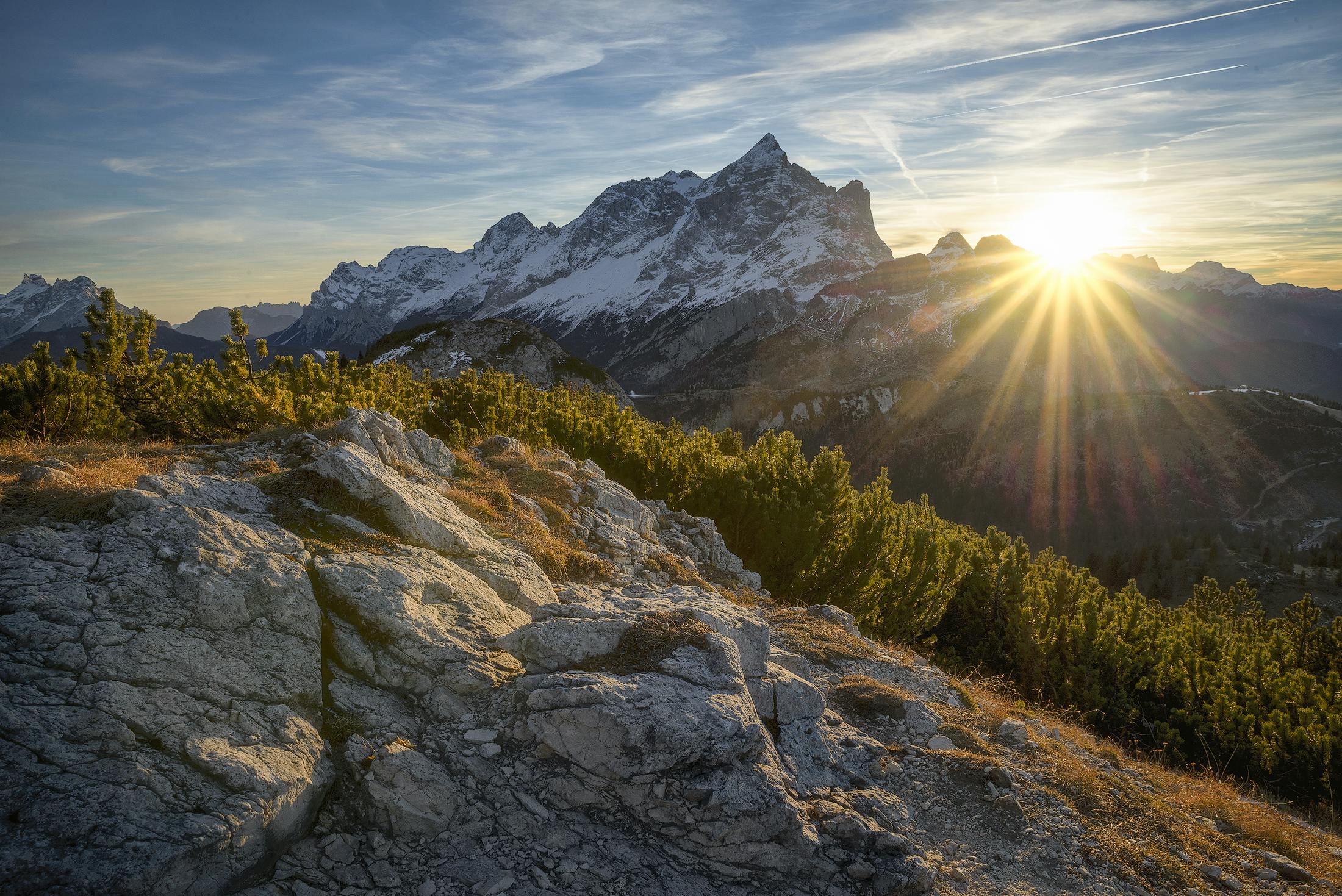
Col d’Izoard stands at 2,360 meters as one of cycling’s most visually striking climbs. While the statistics might not scream extreme difficulty, the real story lies in the Casse Déserte—a barren, otherworldly moonscape near the summit that makes this one of the most photographed and memorable climbs in the Alps.
The Casse Déserte Experience
The final kilometers before the summit take you through the Casse Déserte (Desert of Rubble), a surreal landscape of scree slopes and rocky pinnacles called cargneules. This lunar terrain, stripped bare of vegetation, creates an atmosphere unlike anywhere else in cycling. It’s here that the climb transcends mere sport and becomes something closer to pilgrimage.
Route Options
From Briançon (South)
- Distance: 19.2 km
- Elevation Gain: 1,105 m
- Average Gradient: 5.8%
- Maximum Gradient: 9%
The classic approach starts from Briançon, the highest city in France. The first half is relatively gentle through the Cerveyrette valley before steepening as you approach the Casse Déserte. This is the more scenic route and the one used most frequently by the Tour de France.
From Guillestre (North)
- Distance: 31.4 km
- Elevation Gain: 1,440 m
- Average Gradient: 4.6%
- Maximum Gradient: 9%
A longer but more gradual approach through the beautiful Queyras valley. The climb is more evenly distributed, making it arguably easier despite the greater distance. The final kilometers through the Casse Déserte are shared with the southern approach.
Tour de France History
The Izoard has featured in the Tour de France since 1922 and has witnessed legendary battles. Fausto Coppi and Louison Bobet both conquered this climb in dominant fashion during the sport’s golden era. A monument to these two champions stands near the summit, marking this as hallowed cycling ground.
The climb has been featured over 35 times in Tour history, though often overshadowed by its more famous neighbors Galibier and Alpe d’Huez. For cycling purists, though, the Izoard represents something purer—a climb you suffer for the sake of the experience, not for its place in the GC standings.
Best Time to Ride
June to September offers the most reliable conditions. The pass typically opens in late May or early June, weather permitting.
July brings Tour de France energy if the race is passing through, but also significant crowds.
September is often ideal—stable weather, fewer crowds, and the golden light of early autumn on the Casse Déserte is extraordinary.
Practical Strategy
Pacing: Don’t be fooled by the gentle opening kilometers from Briançon. The climb steepens significantly in the final third. Keep something in reserve for the Casse Déserte section.
Gearing: A 34x28 or 34x32 cassette is sufficient for most riders. The gradients are honest rather than brutal.
Fueling: Stock up in Briançon or Guillestre. There’s a refuge near the summit for water and basic supplies, but don’t count on it being open.
Photography: Allow extra time at the Casse Déserte. This is one of cycling’s most photogenic locations, and you’ll want to capture it.
The Experience
What makes the Izoard special isn’t the difficulty—it’s the atmosphere. As you emerge into the Casse Déserte, civilization falls away. The rocky towers and scree slopes create an almost Martian landscape. The thin air at 2,300+ meters adds to the sense of otherworldliness.
Near the summit, stop at the Coppi-Bobet memorial. These two giants of cycling—one Italian, one French—are forever linked to this mountain. Standing here, looking down at the road you’ve just climbed, you’re connected to cycling’s deepest history.
Combination Routes
The Izoard is perfectly positioned for epic multi-pass days:
- Izoard + Galibier: The classic combination. Descend to Briançon and climb the Lautaret side of the Galibier.
- Izoard + Vars: Add Col de Vars for a Tour de France double-header.
- Haute Route Day: Ambitious riders combine Izoard, Vars, and Bonette for a truly epic day.
Why You Should Ride It
The Col d’Izoard delivers something different from the mega-climbs. It’s not about record-breaking statistics or modern racing drama. It’s about cycling history, lunar landscapes, and the pure joy of riding through terrain that looks like nothing else on Earth. The Casse Déserte alone is worth the journey—a reminder that cycling’s greatest rewards often come from its strangest places.
Every cyclist should experience the Izoard at least once. When you reach the summit and look back at the alien landscape of the Casse Déserte, you’ll understand why Coppi and Bobet are memorialized here. Some mountains you climb for the achievement. The Izoard you climb for the wonder.