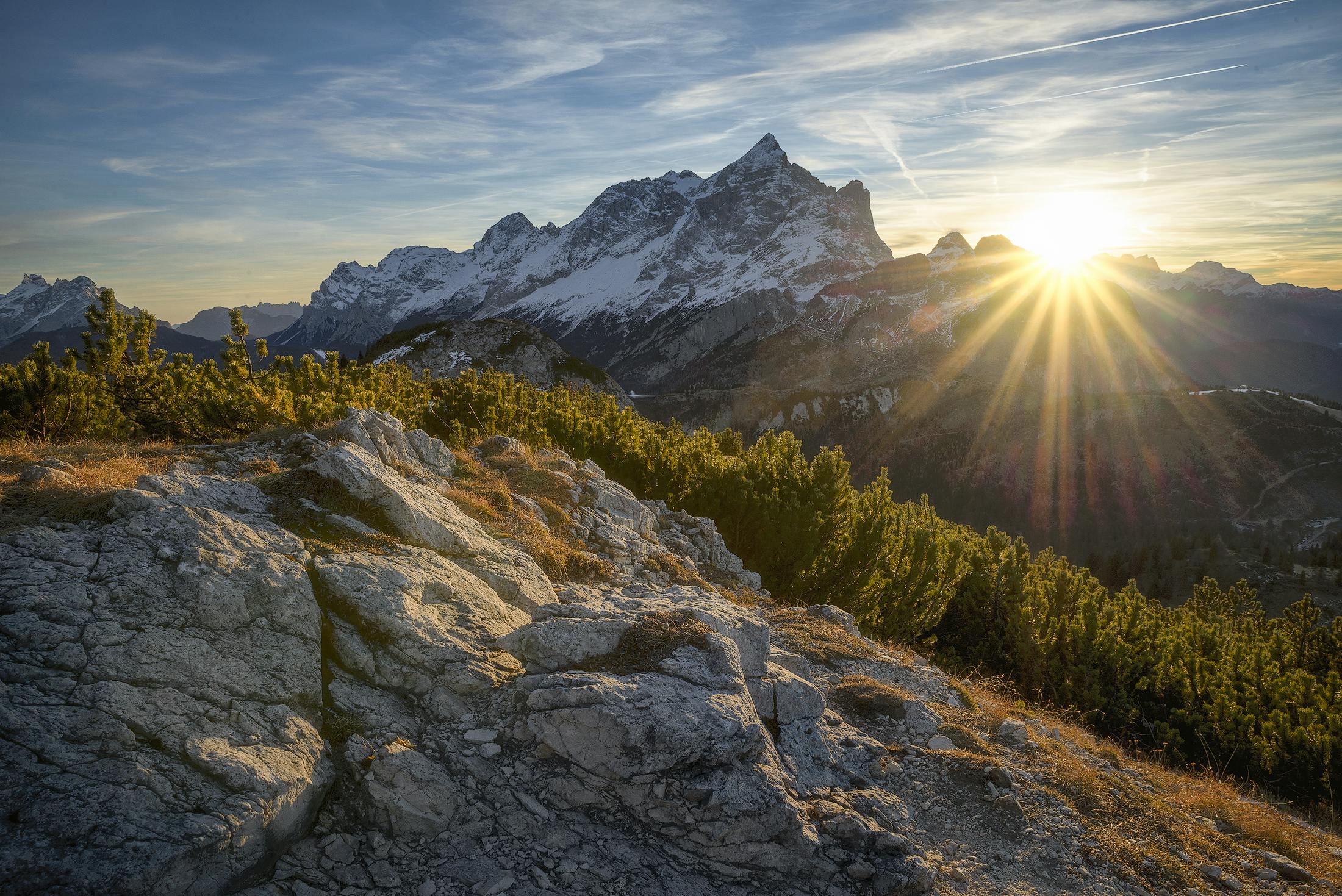
Colle delle Finestre stands at 2,178 meters as one of cycling’s most distinctive climbs—not for its altitude or gradients, but for its wild 8-kilometer unpaved summit section. This gravel finale, used dramatically in the Giro d’Italia, transforms a tough climb into something primal.
The Gravel Legend
What makes the Finestre unique in professional cycling is that final stretch of sterrato (unpaved road). While most races have eliminated gravel sections, the Giro embraces the Finestre’s rough finale as a race-defining feature. Riders emerge from the white dust looking like they’ve battled through a different era of cycling.
For amateur cyclists, this gravel section adds a layer of adventure to an already demanding climb.
Route Profile
From Susa (Standard Approach)
- Distance: 18.5 km
- Elevation Gain: 1,693 m
- Average Gradient: 9.2%
- Maximum Gradient: 14%
- Unpaved Section: Final 8 km
The classic approach from Susa in the Susa Valley climbs through the town of Meana di Susa before entering the long ascent through forest and eventually above the tree line. The paved road ends at approximately kilometer 10.5, where the sterrato begins.
From Pinerolo (Alternative)
The approach via Usseaux is occasionally used but less common. It’s longer but offers a different perspective on this remarkable mountain.
The Unpaved Section
The gravel section is the Finestre’s signature feature. Here’s what to expect:
Surface: Compact gravel with loose sections, especially after rain or heavy traffic. It’s not technical mountain biking terrain—more like a well-maintained forestry road—but it demands respect.
Gradient: The sterrato section averages around 8-9%, with pitches hitting 12%+. This is serious climbing on loose surfaces.
Conditions: The surface varies with weather. After dry spells, dust can be thick. After rain, mud and loose stones become factors.
Tire Choice: While racers use road tires, recreational riders benefit from 28mm+ tires at lower pressures. Gravel or all-road bikes are ideal but not essential.
Giro d’Italia History
The Finestre entered Giro legend in 2005 when José Rujano won the stage in extraordinary fashion. But it was the 2015 and 2018 Giri that cemented its status:
2015: Alberto Contador’s attack on the gravel slopes effectively sealed his overall victory.
2018: Chris Froome launched an 80km solo attack that crossed the Finestre, creating one of modern cycling’s most controversial and spectacular performances.
The images of riders powering through clouds of white dust on the sterrato have become defining images of professional cycling.
Best Time to Ride
Late June through September offers the most reliable conditions. The unpaved section can be problematic earlier or later.
Dry conditions are strongly preferred. Check recent weather before committing.
Weekdays see less traffic, which matters on the narrow gravel sections.
Practical Strategy
Equipment:
- Road bike: Possible but not ideal. Use 28mm tires if available.
- Gravel bike: Ideal for the sterrato section.
- Tire pressure: Lower than normal. 60-70 psi gives better grip on the gravel.
Gearing: You’ll want low gears for the steep gravel sections. 34x32 minimum; lower is better.
Pacing: The climb is nearly 19 kilometers of consistent effort. The gravel section comes when you’re already fatigued—save something.
Hydration: There’s nothing once you leave Meana di Susa. Bring everything you’ll need.
Descending: The gravel descent requires extreme caution. Loose surfaces and steep gradients are a dangerous combination.
The Climb Experience
Kilometers 1-5: The climb begins immediately from Susa with steep pitches through forest. The town of Meana offers a last chance for water.
Kilometers 5-10: A more consistent gradient through dense forest. The road narrows and traffic thins.
Kilometer 10.5: The pavement ends. The famous “sterrato” begins.
Kilometers 10.5-18.5: The gravel section climbs above the tree line into open, exposed terrain. Views open up, but so does the wind. The gradient varies but never truly relents.
Summit: A simple sign marks the pass. The views across the Valle di Susa and toward the higher peaks are the reward.
The Descent
Descending the gravel requires caution and patience. The loose surface limits braking power, and the steep gradient accelerates you quickly. Take it easy—the views are worth savoring anyway.
Once back on pavement, the descent to Susa is fast and technical with numerous hairpins. Fresh brake pads are recommended.
Combination Routes
The Finestre sits in excellent position for multi-climb adventures:
- Finestre + Sestriere: Descend toward Fenestrelle and climb to the famous Olympic station.
- Finestre + Assietta: For gravel enthusiasts, the Strada dell’Assietta connects to create a sterrato epic.
- Valle di Susa Loop: Combine with Col du Mont Cenis for a Franco-Italian adventure.
Why You Should Ride It
Colle delle Finestre offers something unique in modern cycling: a high mountain pass that retains its wild, unpaved character. In an era of smooth tarmac and support vehicles, the Finestre takes you back to cycling’s grittier origins.
The gravel section demands a different kind of effort. Technique matters alongside fitness. Bike handling joins cardiovascular capacity as necessary skills. It’s a more complete cycling challenge than a pure road climb.
When you finally emerge at the summit, dusted in white and depleted from the effort, you’ve accomplished something special. The Finestre doesn’t just ask if you’re fit enough—it asks if you’re cyclist enough.
For those who want to experience what makes the Giro d’Italia’s toughest stages so captivating, Colle delle Finestre is essential. Bring appropriate equipment, respect the conditions, and prepare to embrace the adventure of cycling’s wildest paved (and unpaved) mountain pass.