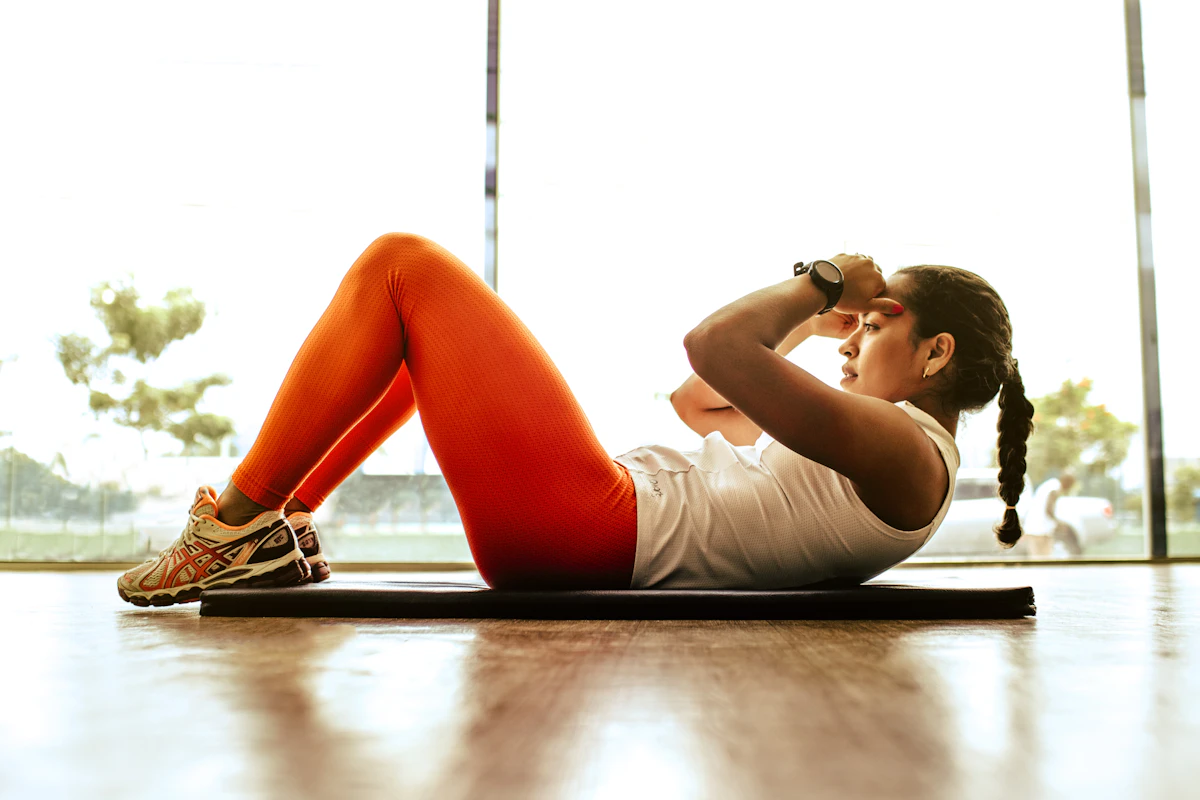
Cycling clothing is not vanity. It’s functional engineering. The right kit keeps you comfortable across six hours in the saddle; the wrong kit turns a two-hour ride into something you won’t repeat. Here’s what you actually need — and what you can skip.
The Non-Negotiables
Bib Shorts
The single most important piece of cycling clothing. Everything else is optional; bib shorts are not.
Why bibs over standard cycling shorts: the bib straps eliminate the waistband pressure that causes discomfort on longer rides, keep the chamois in the correct position, and prevent the shorts from sliding down during efforts. Once you’ve worn bibs, returning to waistband shorts feels wrong.
The chamois is the padded insert built into the shorts. Higher-end chamois use anatomically shaped foam with varying density zones — softer at pressure points, firmer at the sides to prevent chafing. A decent chamois is what separates a 90-minute ride from a 3-hour ride.
What to look for: Multi-panel construction (6–8 panels conform better to body shape than 2-panel designs), flatlock seams (to prevent chafing), and a chamois that’s matched to your ride duration. A commuter chamois is different from an endurance chamois.
Price range: Good bibs start at £60–80. Rapha, Castelli, Assos, and dhb all make quality options across price points.
Critical rule: Never wear underwear under cycling shorts. The chamois works against your skin. Underwear creates friction layers and defeats the purpose entirely.
A Cycling Jersey
A cycling jersey does three things a regular T-shirt doesn’t:
- Wicks moisture away from your skin efficiently
- Fits close enough to avoid flapping (wind resistance and comfort)
- Provides three rear pockets for food, tools, and phone
The rear pocket placement is genuinely useful. Weight on your back is less noticeable than weight in a saddle bag, and having food accessible without stopping is a real advantage on longer rides.
Fit: Cycling jerseys are cut long in the torso (to cover your lower back when bent over the bars) and close-fitting. This looks odd off the bike. On the bike, it’s correct.
Dressing for Conditions
Summer (15°C+)
- Lightweight short-sleeve jersey or base layer
- Bib shorts
- Short-finger gloves (optional but protect palms in a fall)
- Sunscreen on any exposed skin
- Sunglasses
At the top of this range (25°C+), a mesh base layer under a jersey improves moisture management more than a jersey alone. Counterintuitive but true: the extra layer creates an air gap that wicks sweat more effectively.
Spring/Autumn (8–15°C)
This is the trickiest range. Your body heats up significantly during exercise, so what feels cold at the start feels comfortable after 20 minutes.
- Long-sleeve jersey or short-sleeve with arm warmers
- Bib tights or bib shorts with knee warmers
- Light windproof gilet (a cycling life-changer — small enough to pocket, effective enough to matter)
- Full-finger gloves
The gilet: A sleeveless windproof vest that packs into a jersey pocket. It blocks wind chill on descents and takes 30 seconds to remove and pocket when the climb warms you up. It’s the most versatile piece of kit in any cyclist’s wardrobe.
Winter (below 8°C)
Cold weather cycling is about layers and extremities. Your core heats up from effort; your hands, feet, and ears don’t.
- Thermal long-sleeve base layer
- Winter cycling jersey or thermal jersey
- Full bib tights (with chamois built in, or over normal bibs)
- Winter cycling jacket (windproof and water-resistant)
- Winter gloves — proper ones, not summer gloves with extra fingers
- Overshoes (neoprene booties over your cycling shoes)
- Ear cover or cycling cap under helmet
The critical investments in cold weather are hands and feet. A £15 pair of neoprene overshoes transforms winter cycling. Cold hands make bike handling difficult and miserable; good gloves make cold rides enjoyable.
Rain
Waterproof cycling jackets exist on a spectrum from “showerproof” to “properly waterproof.” The distinction matters.
Showerproof: Repels light rain, breathes well. Fine for UK spring drizzle, not fine for sustained downpour.
Waterproof: Genuine protection in heavy rain. Less breathable, harder to ride hard in without overheating. The tradeoff is real — if you’re working hard in rain, you’ll get wet from the inside (sweat) regardless of what jacket you choose.
The practical approach: a quality showerproof jacket that breathes well, accepted that in sustained heavy rain you’ll get damp. Most cycling jackets claim waterproofing they don’t deliver in practice.
For year-round riding in wet climates: a good bib tight with a water-resistant brushed interior is more important than the jacket. Wet legs are cold legs.
Helmets
A helmet is not clothing but it belongs in this guide. The rule is simple: every ride, every time.
Modern helmets are light, well-ventilated, and aerodynamic. The excuse that helmets are hot or uncomfortable reflects helmets from twenty years ago. Current designs from Giro, Specialized, Kask, or similar brands at the £80+ price point are genuinely comfortable.
MIPS: A rotational protection system now common in mid-to-high-end helmets. Reduces rotational forces to the brain in angled impacts. Worth the small premium.
Fit: A helmet that moves when you shake your head is sized incorrectly. Most helmets include fit pads to adjust the internal volume.
Shoes and Pedals
Cycling shoes with cleats and clipless pedals are a significant upgrade from flat pedals, but not essential for beginners. The power transfer improvement is real — energy that would flex a soft-soled shoe is transmitted directly to the pedal.
The learning curve is real too. Expect a few slow-speed falls while learning to clip out. They hurt the ego more than the body, and within a few weeks it becomes second nature.
Road vs SPD: Road cleats (Look KEO, Shimano SPD-SL) have a wider cleat that spreads load across the shoe, better for long road rides. SPD (mountain bike-style) uses a smaller recessed cleat that lets you walk normally, better for commuting and café stops.
What You Don’t Need Yet
- Aero helmet (marginal gain at club cycling speeds)
- Shoe covers for dry weather
- Multiple identical jerseys
- Brand-matching kit
- Anything described as “race cut” if you’re not racing
Start with good bibs, a comfortable jersey, and appropriate gloves. The rest is refinement. The biggest comfort gains come from kit that fits well, not kit that costs more.
The Layering Principle
Whatever the temperature, the principle is the same: moisture management first, insulation second, wind/water protection third. Wearing a waterproof jacket directly over a cotton t-shirt fails all three. Wearing a wicking base layer, a thermal mid-layer, and a windproof outer succeeds even if none of the individual items is expensive.
For more on building a complete setup for year-round riding, including indoor training kit, read the pain cave setup guide. And if you’re just starting out and want to know where to invest first, the beginner’s cycling guide covers priorities in order.