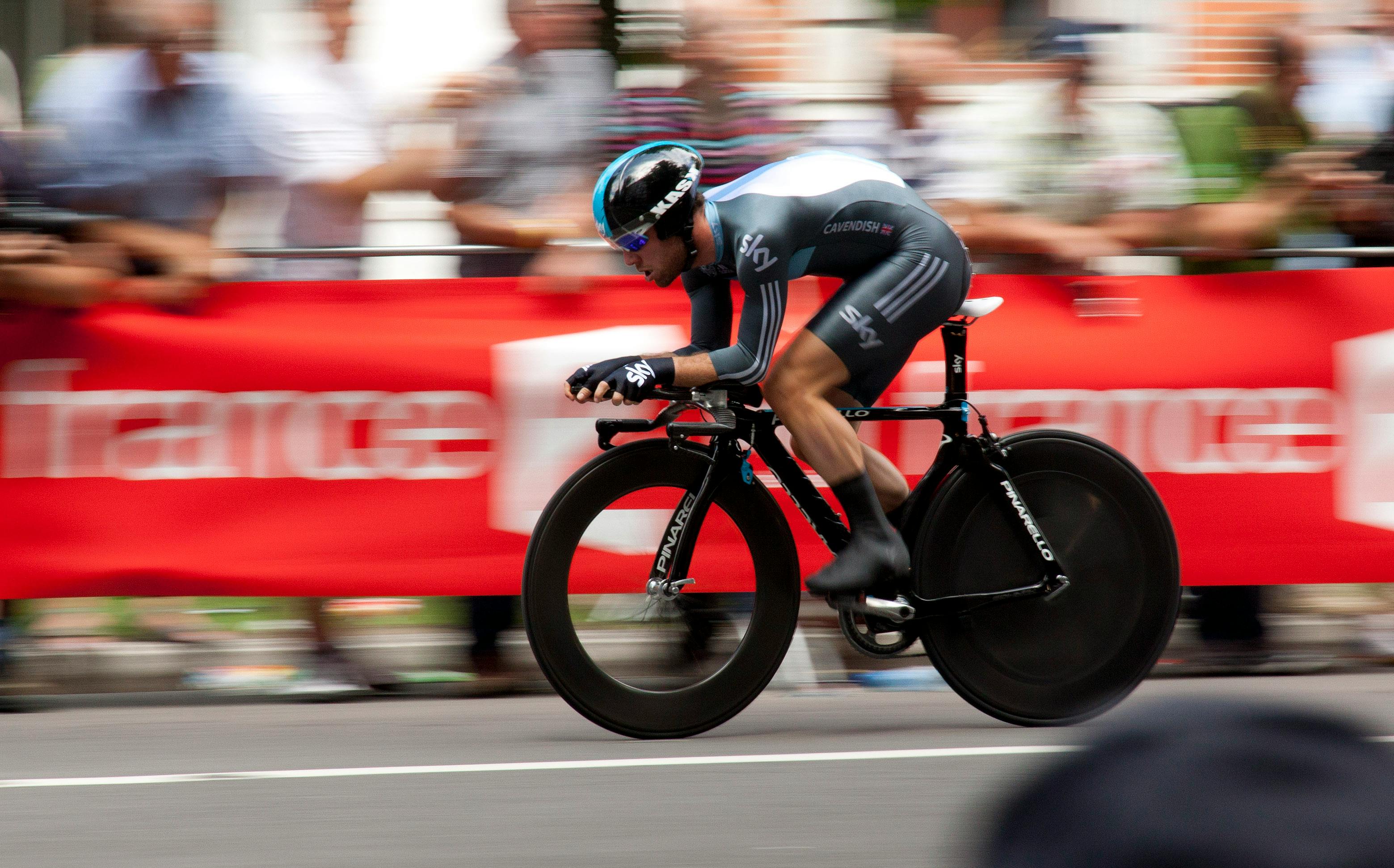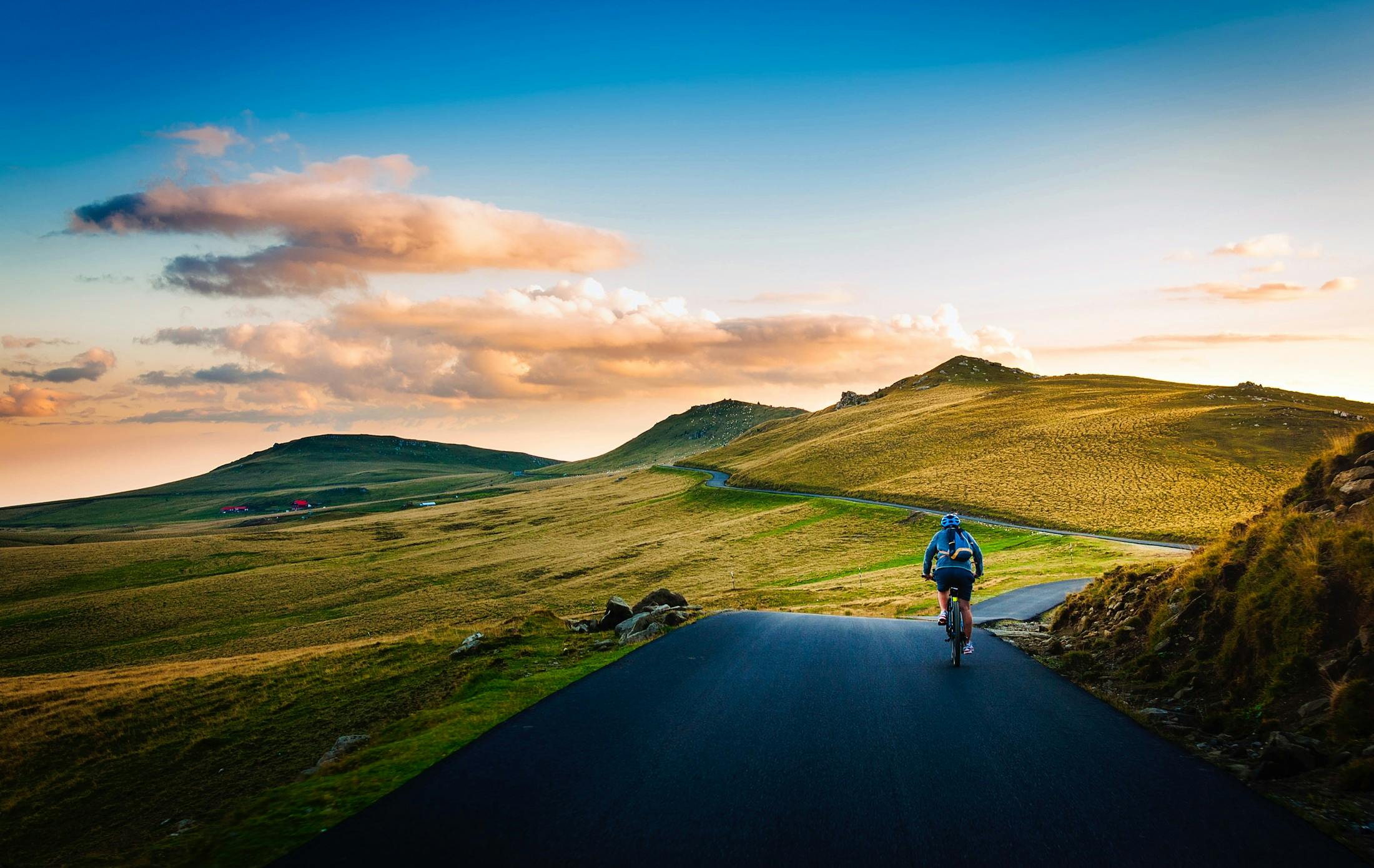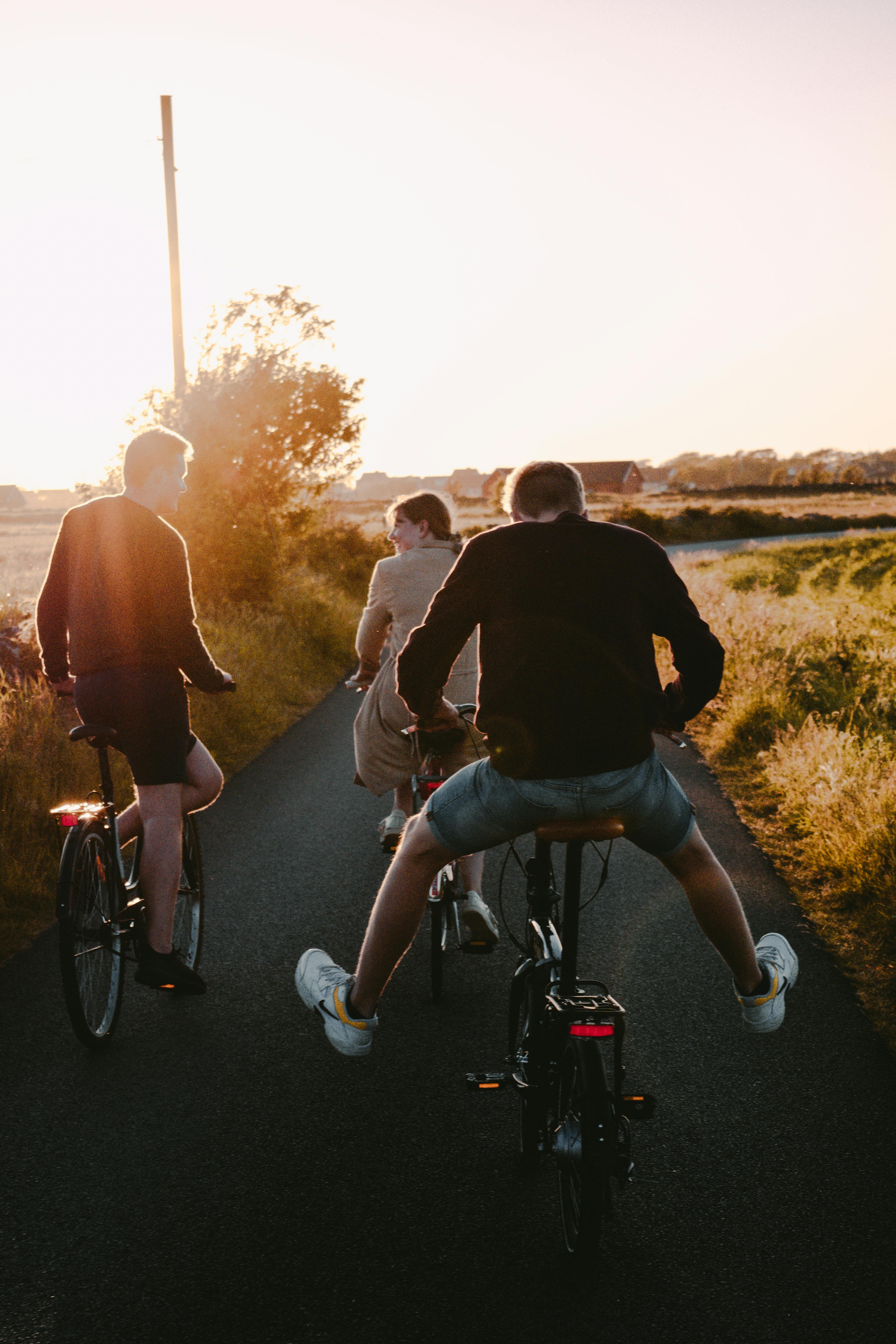
Professional cyclists inspire us with superhuman performances—watts that seem impossible, mountains climbed at speeds we can’t match on flat ground. But the most powerful cycling inspiration often comes from closer to home: everyday people who discovered that two wheels could change everything.
These aren’t stories of natural athletes or genetic lottery winners. They’re stories of ordinary people who found something extraordinary on a bike.
The Commuter Who Became an Adventurer
Sarah was 42, overweight, and exhausted by life. Her doctor’s warning about blood pressure pushed her to try cycling to work—just 5 miles each way through suburban London.
“The first week was humiliating,” she remembers. “I arrived sweaty and red-faced, convinced everyone was judging me.”
She kept going anyway.
Within six months, the commute that once felt like survival became her favorite part of the day. She started extending routes, adding detours through parks, arriving at work energized rather than drained.
Three years later, Sarah completed a solo cycling trip from London to Istanbul. The woman who once couldn’t imagine 10 miles had covered 2,000.
“The bike didn’t just change my fitness,” she says. “It changed what I believed was possible.”
The Grieving Father Who Found Community
After losing his teenage son to cancer, Michael retreated from the world. Friends couldn’t reach him. Therapists couldn’t break through. For two years, he existed in a fog of grief.
A neighbor invited him on a casual group ride. Michael said no a dozen times before finally agreeing, mostly to stop the invitations.
“I expected to hate it. I went planning to prove it wouldn’t help.”
Instead, he found something he hadn’t expected: people who didn’t need him to talk about his loss. They just needed him to ride alongside them. The rhythm of pedaling, the shared effort, the simplicity of movement—it created space for healing that conversation never could.
Michael now leads a cycling group for bereaved parents. They ride together in silence mostly, connected by movement rather than words.
“The bike gave me a place to exist without having to explain myself,” he says. “That was everything.”
The Desk Worker Who Discovered Mountains
James spent 15 years behind a desk, watching his health deteriorate through a screen. At 45, he’d never done anything physically challenging. Competitive sports had never interested him. Exercise was a chore abandoned repeatedly.
A friend mentioned a charity ride up Mont Ventoux. James laughed it off as impossible—he’d seen the Tour de France coverage, the suffering, the scale.
But something stuck.
Six months of gradually increasing rides. Hours of research. More self-doubt than he’d ever admitted. And then, on a September morning, James stood at the summit of Mont Ventoux, tears streaming down his face.
“I didn’t become a cyclist because I was athletic. I became athletic because I became a cyclist. The order matters.”
James has since climbed the Galibier, the Stelvio, and the Mortirolo. He’s still not fast. He never will be. But he discovered that mountains don’t care about speed—they care about persistence.
The Mother Who Reclaimed Herself
For years, Emma had defined herself through others: mother of three, supportive wife, part-time administrator. Her identity existed in relation to everyone else.
When her youngest started school, she felt lost. Who was she, for herself?
A secondhand bike, bought on impulse, began answering that question.
“The first solo ride felt revolutionary. Two hours where no one needed anything from me. Where I was just… me.”
Those solo rides became sacred. Early mornings before the household woke. Weekend escapes during sports practices. Stolen hours that she’d once felt guilty taking.
“Cycling didn’t make me a worse mother—it made me a better one. I had something that was mine again.”
Emma’s three children now ride too. But the real transformation was her own: a woman who remembered she existed beyond her roles.
The Retiree Who Refused to Slow Down
At 65, Tom was told by his doctor to “take it easy.” His heart condition, while managed, suggested a gentle decline into careful living.
Tom disagreed.
“I’d spent my whole career following rules. Retirement was supposed to be mine.”
He bought a road bike and started riding. Slowly at first—around the neighborhood, then around the county, then across the country.
At 72, Tom completed a solo ride from San Francisco to New York. His heart condition monitored every day. His pace gentle but persistent. His determination absolute.
“My doctor said I couldn’t stress my heart. I told her cycling doesn’t stress me—it’s the only time I feel completely calm.”
Tom’s cardiologist eventually became a cyclist too, inspired by her patient’s stubborn refusal to accept limits.
The Anxious Executive Who Found Peace
High-pressure corporate life left Chen with crippling anxiety. Medication helped. Therapy helped. But neither eliminated the constant underlying tension that colored every moment.
Cycling offered something different: complete absorption.
“When I’m climbing, when I’m really in it, there’s no room for anxiety. There’s only the next pedal stroke. For those hours, my mind finally shuts up.”
Chen now structures her entire schedule around riding. Morning rides before work. Weekend long rides with friends. Travel built around cycling destinations rather than business meetings.
She’s still an executive. Still high-pressure work. But the bike provides a counterweight—a place where the mind can rest even while the body works.
“I don’t ride to escape my life. I ride so I can fully live it.”
What These Stories Share
Every story is different, but patterns emerge:
The transformation wasn’t immediate. Everyone struggled at first. The magic came through persistence, not instant revelation.
The physical was secondary. Yes, bodies changed. But the meaningful transformations were internal—identity, confidence, peace, purpose.
Community mattered. Whether group rides or solo adventures, cycling connected these people to something larger than themselves.
Small starts led to big changes. No one began planning an epic journey. They began planning a short ride, then another, then another.
The bike became a tool for life. Not just exercise equipment, but a vehicle for processing grief, finding identity, overcoming fear, and discovering capability.
Your Story Starts Somewhere
Right now, someone is taking their first tentative ride around the block. Someone else is considering whether they’re “the cycling type.” Another person is dusting off a bike that’s sat unused for years.
These everyday beginnings are where transformations start.
You don’t need to know where the bike will take you. Sarah didn’t imagine Istanbul when she started commuting. Tom didn’t picture New York when he defied his doctor. They just started pedaling.
The destination reveals itself through the journey. The only requirement is beginning.
Finding Your Inspiration
The professionals will always inspire with their performances. But perhaps the deeper inspiration comes from recognizing yourself in ordinary people who found something extraordinary on a bike.
If they could transform—the grieving, the anxious, the unfit, the lost—maybe you can too.
Not because you’re special. Because cycling is.
It’s available to anyone who decides to clip in and see where the road leads.
Your story is waiting to be written. All you have to do is start pedaling.