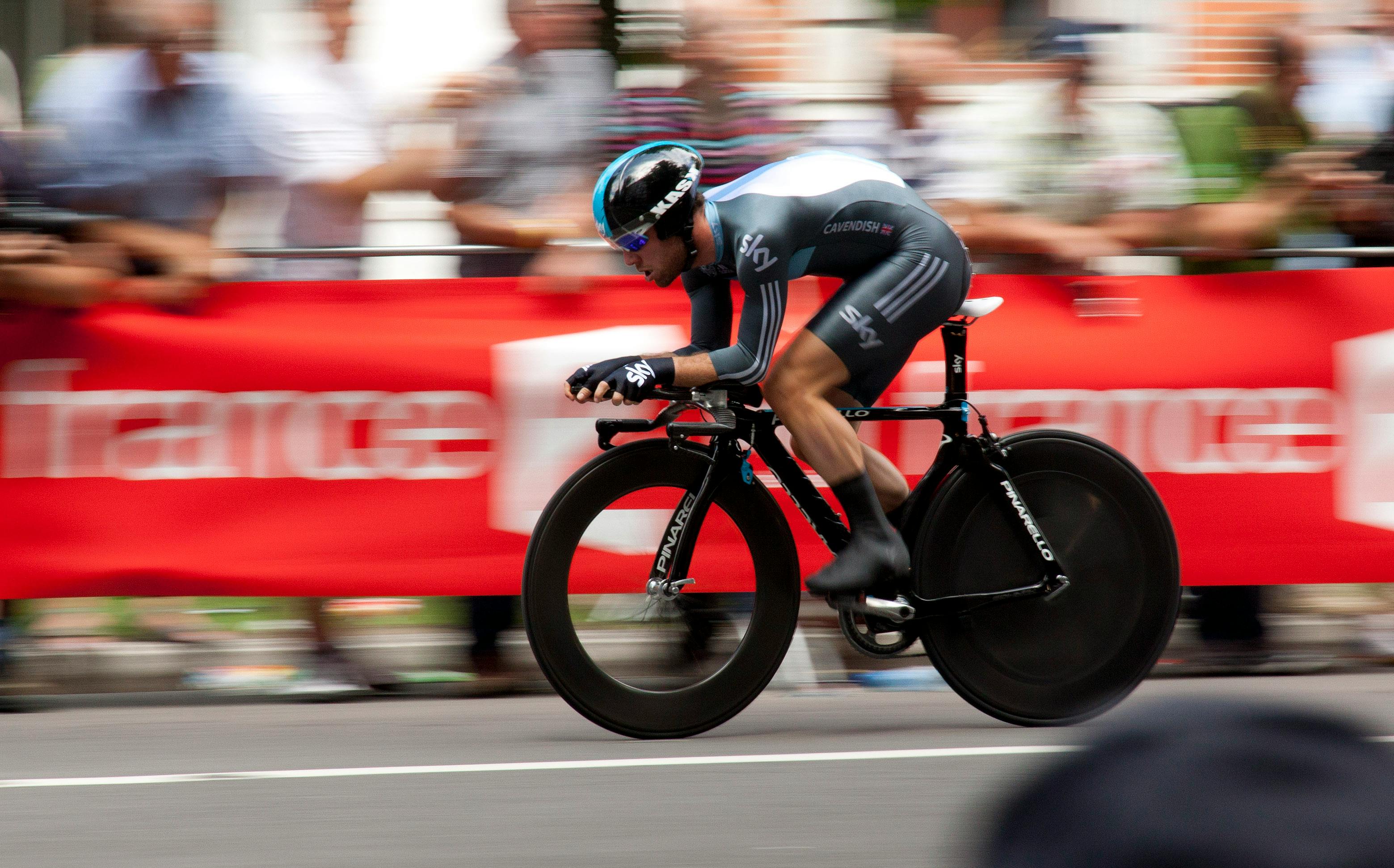
There’s a moment on hard rides where your legs are begging you to stop, your lungs are burning, and that voice in your head is making very persuasive arguments for quitting.
That’s precisely when you need a mantra—a simple phrase you can repeat to override the complaints and keep the pedals turning.
Here are mantras that actually work, from the classic to the creative, to help you through cycling’s toughest moments.
The Classics
”Shut up legs!”
Jens Voigt’s famous phrase works because it’s direct and slightly absurd. By personifying your legs and telling them to be quiet, you create psychological distance from the discomfort. The legs are complaining—but you’re not your legs. You’re in charge.
When to use it: Any time your legs are the primary source of suffering.
”This too shall pass”
Simple reminder that nothing—including this pain—lasts forever. Every climb has a summit. Every headwind eventually turns. This moment of suffering is temporary; giving up creates permanent regret.
When to use it: Extended suffering where the end isn’t visible yet.
”One more pedal stroke”
Don’t think about the remaining 5km or 500m or even 50m. Just think about the next pedal stroke. Then the one after that. Break impossible distances into the smallest possible unit: a single rotation.
When to use it: When the remaining distance feels overwhelming.
The Process-Focused
”Smooth is fast”
When you’re hurting, the temptation is to tense up—death grip on the bars, clenched jaw, stiff shoulders. This mantra reminds you that relaxation is speed. Drop your shoulders. Unclench your hands. Let the bike work.
When to use it: When you notice tension creeping in.
”Breathe and pedal”
That’s it. That’s all you have to do. Not win, not impress anyone, not hit any particular power number. Just keep breathing and keep pedaling. Everything else is optional.
When to use it: When the task feels too complex.
”Stay in the moment”
Don’t think about how much you’re suffering. Don’t project forward to how much you’ll suffer later. Just be here, now, doing this. The present moment is always survivable.
When to use it: When anxiety about future suffering is worse than current suffering.
The Reframing
”I get to do this”
Subtle but powerful shift from obligation to privilege. You’re not forced to ride—you chose this. Millions of people would love to have your fitness, your bike, your opportunity. This is a gift, not a punishment.
When to use it: When cycling feels like a chore rather than a choice.
”This is what I trained for”
All those base miles, those interval sessions, those early mornings—they were preparation for exactly this moment. The hard work wasn’t for nothing; it was for now. Trust your training.
When to use it: Race situations or target events.
”Pain is information, not an order”
Your body sends discomfort signals to inform you, not to command you. You can acknowledge the information and choose to continue anyway. The pain doesn’t get to decide—you do.
When to use it: When pain feels like it should automatically mean stopping.
The Aggressive
”Make them suffer more”
If you’re racing or riding with others, channel your discomfort into motivation. If you’re hurting, assume they’re hurting more. Make them crack first.
When to use it: Competitive situations.
”I will not be beaten by a hill”
Hills don’t have feelings. They don’t care about your suffering. They’re just geological features. Are you really going to let a pile of rocks defeat you?
When to use it: When a climb feels personally antagonistic.
”Embrace the suck”
Instead of fighting the discomfort, accept it. Even welcome it. This is what cycling is. This is what you signed up for. Stop resisting and start embracing.
When to use it: When resistance is creating more suffering than the effort itself.
The Philosophical
”Who I become is more important than what I achieve”
Every time you push through difficulty, you’re building character that extends beyond cycling. The person who keeps going when things are hard is the person you’re becoming. That matters more than any segment or finish time.
When to use it: When the immediate goal feels meaningless.
”Future me will thank present me”
The you at the summit, the finish line, or back home showered and fed—that person will be glad you kept going. Don’t let present-you sabotage future-you’s satisfaction.
When to use it: When short-term thinking is winning.
”I am not my thoughts”
The voice saying “quit” isn’t you—it’s just a thought. Thoughts arise, but you don’t have to believe them or act on them. Observe the thought and continue anyway.
When to use it: When negative thoughts feel overwhelming.
The Practical
”Twenty more minutes”
If you can break the remaining effort into a manageable time chunk, it becomes more achievable. Twenty minutes is a podcast. It’s a couple of songs. It’s nothing, really.
When to use it: When you can estimate remaining time.
”Fuel, fluid, reset”
Sometimes what feels like failure of will is actually failure of nutrition. This mantra reminds you to check the basics: Have you eaten? Have you drunk enough? Address the physical before assuming the problem is mental.
When to use it: When suffering feels disproportionate to the effort.
”Find the rhythm”
Stop fighting the climb and start dancing with it. Find a cadence that feels sustainable. Sync your breathing to your pedaling. Let the movement become meditative rather than combative.
When to use it: On longer climbs where settling in is more important than attacking.
Building Your Personal Mantra
The best mantras are personal. They connect to your specific motivations and challenges. Consider:
What’s your why? If you’re riding to be healthy for your kids, “Do it for them” might resonate. If you’re proving something to yourself, “You’re stronger than you know” might work.
What phrases have helped before? Think back to previous tough moments. What did you tell yourself that worked?
What voice helps you most? Some people respond to aggressive motivation. Others need compassion. There’s no wrong answer—just what works for you.
Using Mantras Effectively
Repeat consistently. The power comes from repetition. Say it silently with each pedal stroke. Let the rhythm of the mantra match the rhythm of your riding.
Keep it short. You’re not composing poetry—you’re trying to override a crisis. Five words maximum.
Practice in training. Use your mantras on hard training rides so they’re automatic when you need them in races or events.
Have multiple options. Different situations call for different approaches. Build a small toolkit of phrases.
The Bottom Line
Cycling is largely a mental sport disguised as a physical one. Your body can almost always do more than your mind initially believes.
Mantras are tools for bridging that gap—simple phrases that help your conscious mind override the instinctive drive to avoid discomfort.
Find the words that work for you. Practice them. Trust them.
And next time the suffering starts, you’ll have exactly what you need to keep moving forward.
Now shut up legs, and let’s ride.