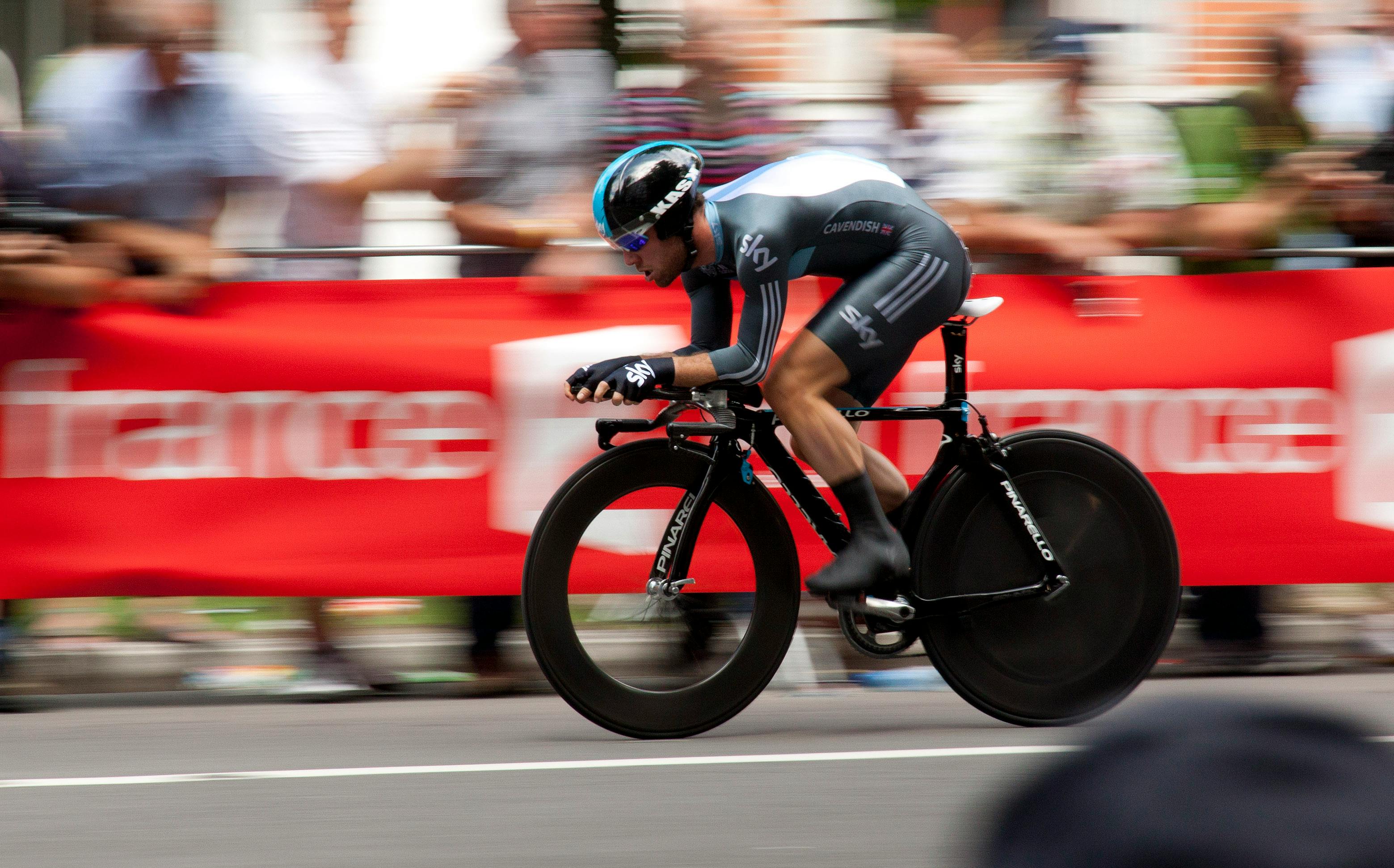
“Shut up legs.” Three words that have probably added more collective watts to cycling than any technological innovation.
Cycling quotes aren’t just decoration for Instagram posts or filler for motivational posters. They’re psychological tools that, used properly, can genuinely change how you ride. Here’s how—and why—they work.
Why Words Work
The Psychology
Your brain talks to itself constantly—a stream of internal narration that shapes perception and influences behavior. This “self-talk” directly affects performance.
Studies show that positive self-talk improves endurance by 12-18%. Negative self-talk does the opposite. The words in your head literally change your physical capability.
Cycling quotes are pre-packaged positive self-talk. When your internal dialogue turns negative (“I can’t,” “This is too hard”), a well-chosen quote provides alternative language.
The Association
Words carry emotional weight beyond their literal meaning. A phrase associated with past success triggers the feelings of that success. A quote linked to a hero connects you to their example.
When you repeat “It never gets easier, you just go faster,” you’re not just stating a fact—you’re accessing the authority of Greg LeMond and the validation of everyone who’s found the quote true.
The Focus
Good quotes redirect attention. Instead of focusing on pain (“my legs are burning”), they shift focus to action (“just keep pedaling”) or perspective (“this will end”).
That redirection matters. Attention to suffering increases suffering. Attention to process enables continuation.
How to Use Quotes Effectively
Memorize Your Core Set
Pick 3-5 quotes that genuinely resonate. Don’t just collect them—memorize them completely. You need instant access when you’re suffering, not time to scroll through your phone.
Your core set should cover different situations:
- Something for acute pain: “Shut up legs” or equivalent
- Something for extended suffering: “It never gets easier, you just go faster”
- Something for doubt: “The pain you feel today is the strength you feel tomorrow”
- Something for perspective: “Some day you won’t be able to do this. Today is not that day”
Practice in Training
Don’t wait for races or hard moments to use quotes. Practice them during training rides. Make them automatic.
During intervals, deliberately repeat your chosen phrase. During long climbs, establish the rhythm of words matching pedal strokes. The more automatic, the more effective when you really need them.
Match Quote to Situation
Different moments need different words:
Acute suffering (intervals, steep climbs): Short, aggressive phrases. “Shut up legs.” “Pain is temporary.”
Extended suffering (long climbs, headwinds): Rhythm-based phrases that sustain. “One more pedal stroke. One more pedal stroke.”
Motivation valleys (mid-ride crisis): Perspective phrases. “Remember why you started.” “Future you will be glad.”
Competitive situations: Comparative phrases. “If I’m hurting, they’re hurting worse.”
Personalize When Possible
The most powerful quotes are often personal—connected to your specific history, values, and experiences.
A phrase from your first successful sportive. Words from a cycling mentor. Something said during a breakthrough ride. These carry emotional weight that generic quotes can’t match.
The Best Cycling Quotes (And Why They Work)
“It never gets easier, you just go faster.” — Greg LeMond
Why it works: Reframes the expectation. You’re not waiting for some future where cycling doesn’t hurt—that doesn’t exist. Progress means the same suffering at higher speeds.
When to use: When you’re discouraged by persistent difficulty. When improvement seems invisible.
”Shut up legs!” — Jens Voigt
Why it works: Creates psychological separation between mind (you) and body (legs). Establishes authority. The slight humor reduces tension.
When to use: Acute suffering. When legs are complaining and you need to override them.
”Pain is temporary. Quitting lasts forever.”
Why it works: Extends time horizon. Current suffering is finite; regret from quitting persists. Reframes the choice.
When to use: When considering stopping. When the temptation to quit feels overwhelming.
”The race is won by the rider who can suffer the most.” — Eddy Merckx
Why it works: Normalizes suffering as the price of success. Reframes pain from obstacle to opportunity.
When to use: Competitive situations. When others appear to be suffering less.
”Ride as much or as little, or as long or as short as you feel. But ride.” — Eddy Merckx
Why it works: Removes perfectionism. Any ride counts. The only failure is not riding.
When to use: Low motivation days. When you’re debating skipping.
”Don’t buy upgrades, ride up grades.” — Eddy Merckx
Why it works: Redirects from equipment focus to fitness focus. Reminds that the rider, not the bike, is the limiting factor.
When to use: When distracted by gear acquisition. When seeking shortcuts.
Creating Your Personal Mantras
Beyond famous quotes, develop phrases that speak specifically to you:
Start with your weaknesses: If you struggle with early effort discipline, create something like “The first hour is patience. The last hour shows what patience built.”
Connect to your why: If you ride for mental health, “This is my medicine” might resonate.
Reference past success: If you once finished something you thought impossible, “If you could do that, you can do this.”
Keep them short: Under six words is ideal. You need instant access.
Make them rhythmic: Phrases that match pedal cadence integrate more naturally.
Common Mistakes
Over-reliance
Quotes are tools, not magic. They work alongside physical preparation, not instead of it. The best mental game can’t overcome massive fitness deficits.
Forcing Fit
Not every quote works for everyone. “Embrace the suffering” might motivate one rider and depress another. Use what genuinely resonates, not what sounds impressive.
Ignoring Genuine Warning Signs
“Shut up legs” is great for normal riding discomfort. It’s dangerous advice for actual injury signals. Know the difference between productive suffering and body damage.
Stale Repetition
Quotes can lose power through overuse. If a phrase stops landing, rotate it out. Your mental toolkit needs occasional refreshing.
The Compound Effect
Used consistently, motivational quotes create compound returns:
Short-term: They help you through individual hard moments.
Medium-term: They build positive association with difficulty—you’ve proven you can push through before.
Long-term: They reshape your self-concept. You become someone who uses certain phrases because you’re someone who does certain things.
The cyclist who’s repeated “shut up legs” a thousand times isn’t the same person who’s never internalized that message. The words shape identity.
Your Mental Toolkit
Build yours deliberately:
- Identify 3-5 core quotes that genuinely resonate
- Memorize them completely
- Practice them in training
- Notice what works in different situations
- Refine and update as needed
Words matter. The right phrase at the right moment can add power your legs didn’t know they had.
Choose your words carefully.
Then speak them into reality.
The road responds to those who talk back.