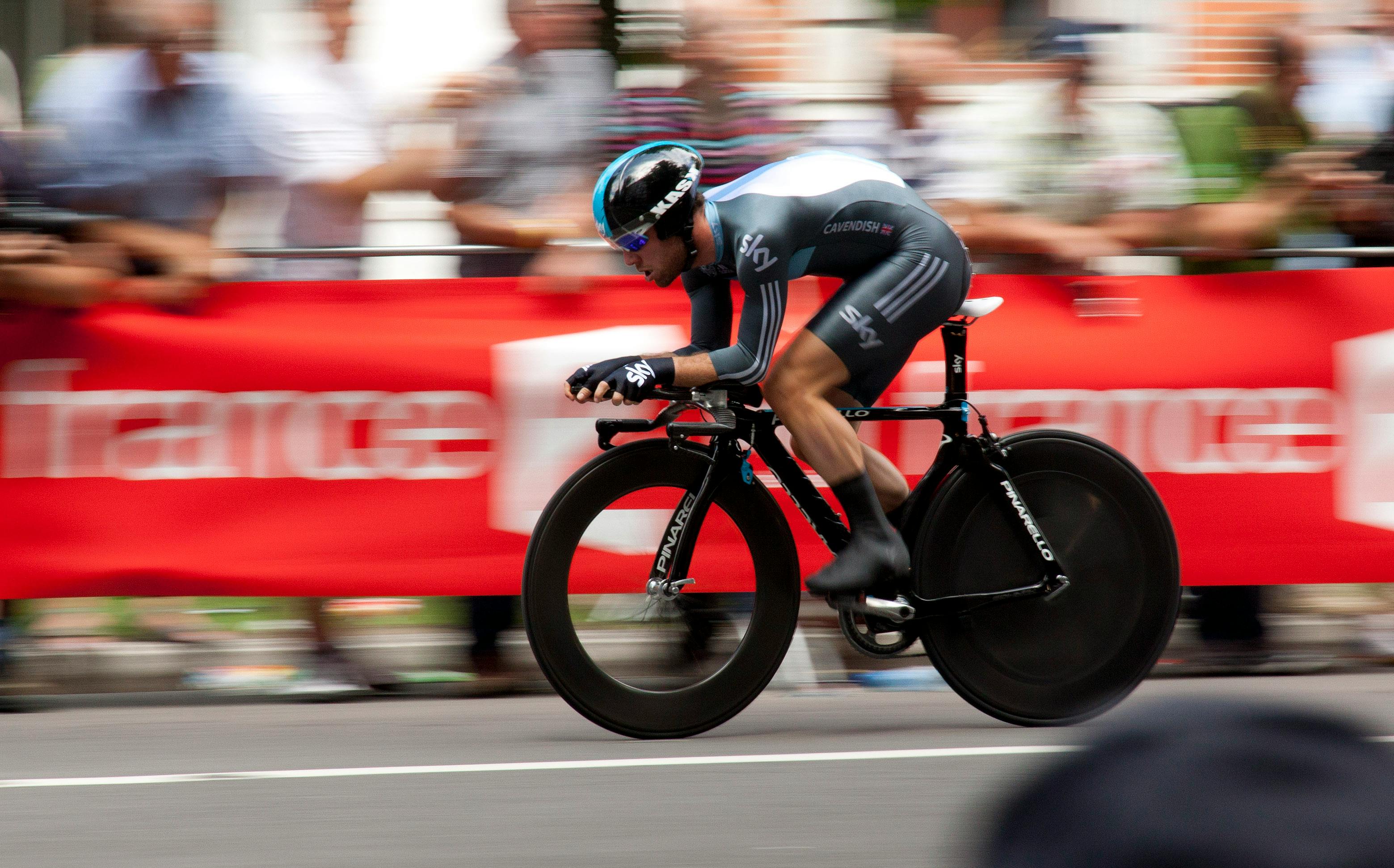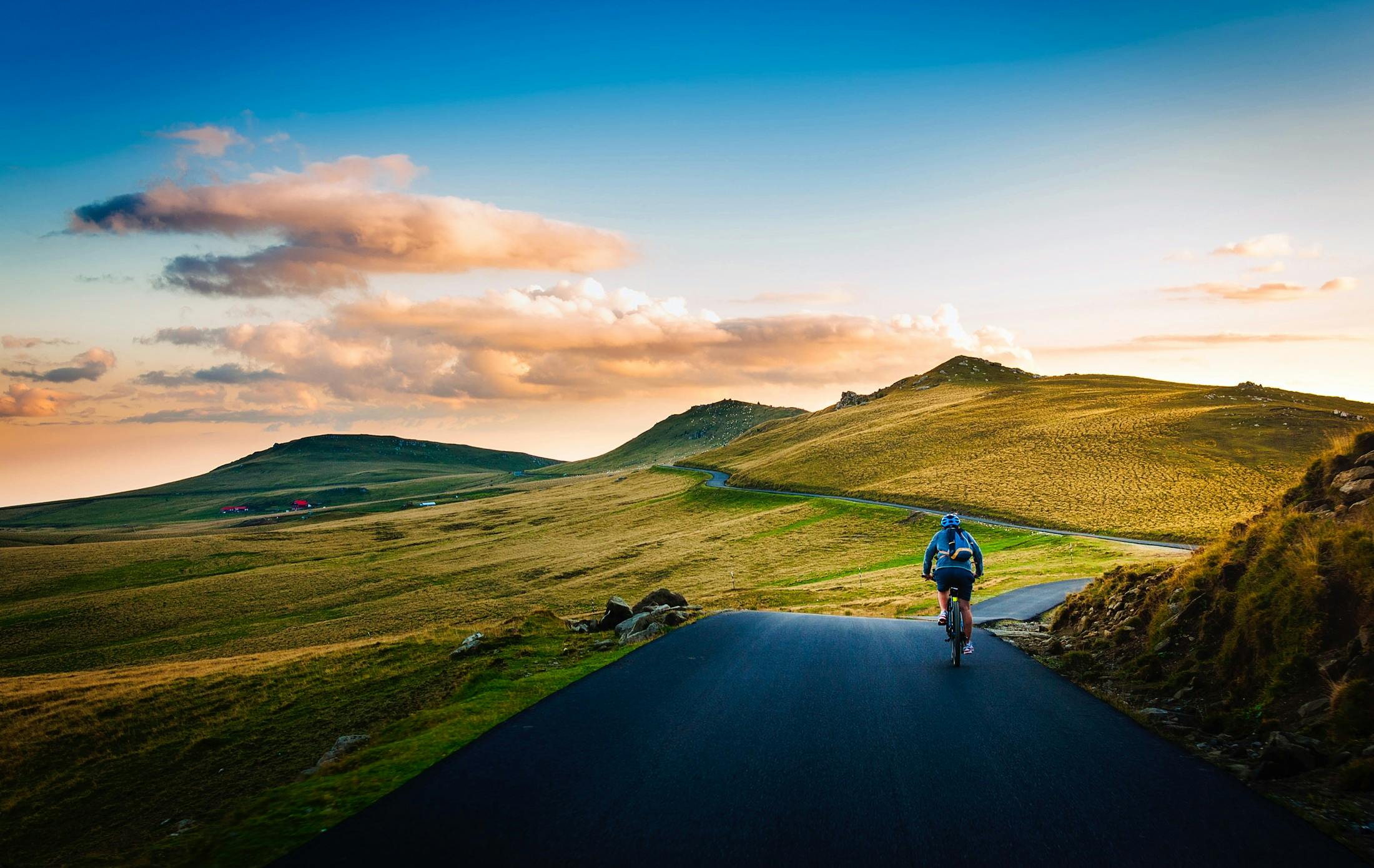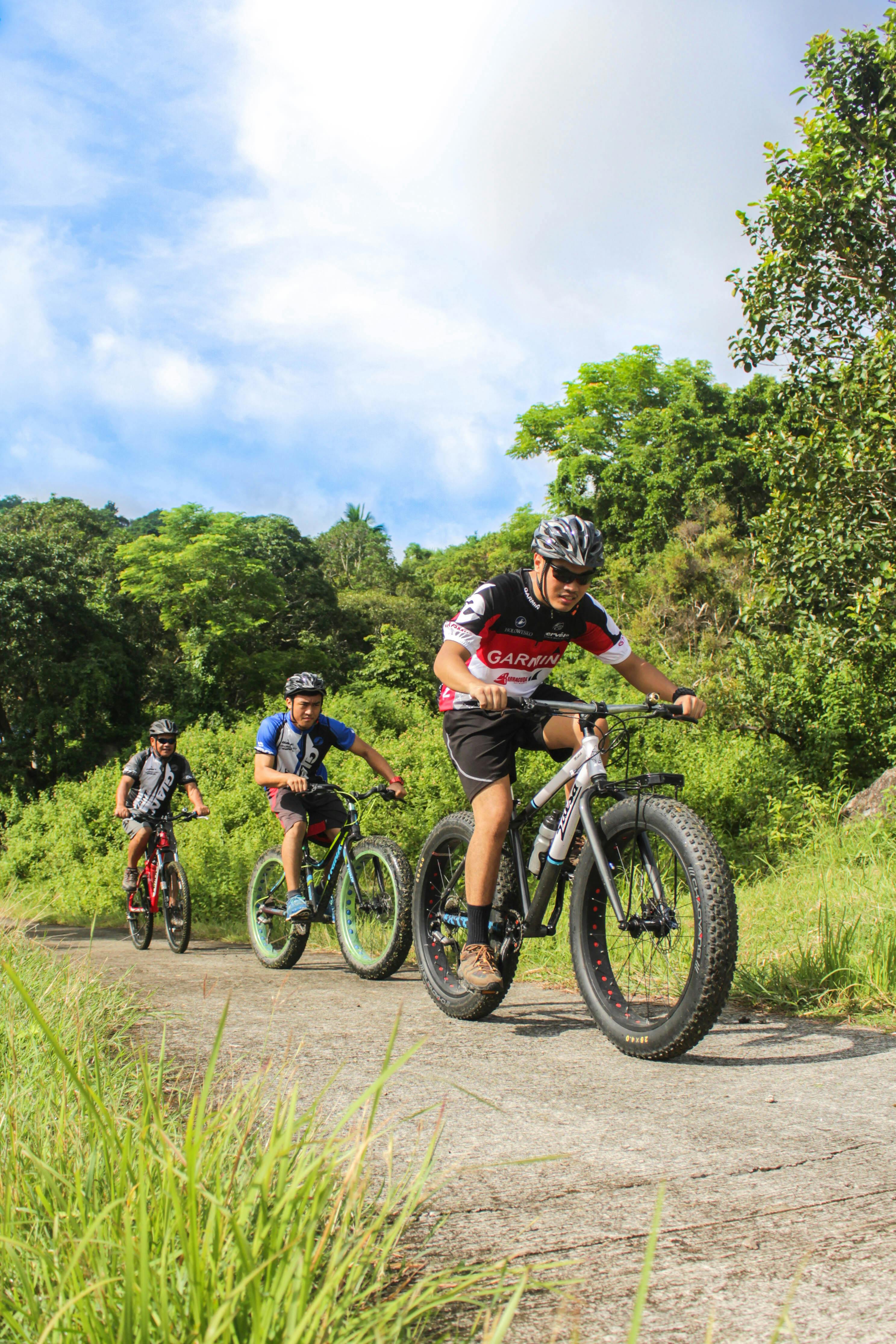
There’s a reason the bicycle has been associated with liberation since its invention. The suffragettes rode bikes. Colonial independence movements spread on two wheels. Individual freedom and cycling are intertwined in ways that feel almost inevitable.
These quotes capture that connection—the feeling of possibility, autonomy, and pure liberation that comes from riding.
The Essential Truth
“Four wheels move the body. Two wheels move the soul.” — Unknown
The distinction matters. Cars transport. Bikes transform. The bicycle engages something beyond mere locomotion—something closer to the human essence.
“The bicycle is a curious vehicle. Its passenger is its engine.” — John Howard
You’re not sitting passively while something carries you. You are the power. You are the machine. That self-reliance is freedom in its purest form.
“It is by riding a bicycle that you learn the contours of a country best, since you have to sweat up the hills and coast down them.” — Ernest Hemingway
Hemingway understood: the bike’s speed is perfect for understanding landscape. Fast enough to cover ground, slow enough to absorb detail. Cars are too quick. Walking is too slow. The bicycle is just right.
The Escape
“When the spirits are low, when the day appears dark, when work becomes monotonous, when hope hardly seems worth having, just mount a bicycle and go out for a spin down the road, without thought on anything but the ride you are taking.” — Arthur Conan Doyle
The creator of Sherlock Holmes understood cycling’s therapeutic value. The bike offers escape when other escapes fail—a physical departure that enables mental renewal.
“Melancholy is incompatible with bicycling.” — James E. Starrs
There’s something about the combination of movement, rhythm, and fresh air that simply doesn’t coexist with depression. The bike isn’t a cure, but it’s certainly a counterweight.
“Think of bicycles as rideable art that can just about save the world.” — Grant Petersen
Petersen, the legendary frame builder, sees bikes as solutions—to traffic, to pollution, to the sedentary dysfunction of modern life. Freedom from the problems we’ve created.
The Movement
“The bicycle is the most civilized conveyance known to man. Other forms of transport grow daily more nightmarish. Only the bicycle remains pure in heart.” — Iris Murdoch
In an era of traffic jams, security lines, and crowded transit, the bicycle offers clarity. No schedules. No dependence on others. Just you and the road.
“To ride a bicycle is in itself some protection against superstitious fears, since the bicycle is the product of pure reason applied to motion.” — Iris Murdoch (again—she clearly loved cycling)
There’s something reassuring about the bicycle’s mechanical honesty. It works according to physics, not mystery. That rationality is its own kind of freedom—freedom from uncertainty.
“Life is like riding a bicycle. To keep your balance, you must keep moving.” — Albert Einstein
Perhaps overquoted, but still true. The bicycle teaches that stillness isn’t stability—motion is. Freedom requires momentum.
The Choice
“Nothing compares to the simple pleasure of riding a bike.” — John F. Kennedy
From one of history’s most burdened positions, Kennedy understood that sometimes the simplest freedoms are the most valuable. The bike asks nothing complicated. It just offers itself.
“Every time I see an adult on a bicycle, I no longer despair for the future of the human race.” — H.G. Wells
Cycling represents hope—that humans can choose differently than the default, that efficiency and joy can coexist, that we’re not inevitably trapped by the systems we’ve created.
“Riding a bike is everything to a cyclist. The friendship and camaraderie you have with other cyclists… it’s like becoming a man.” — Floyd Landis
Beyond the controversies, Landis articulates something true: cycling offers identity and belonging. The freedom to become part of something larger while remaining individually autonomous.
The Road
“It is the unknown around the corner that turns my wheels.” — Heinz Stücke
Stücke cycled the world for 50+ years, covering hundreds of thousands of kilometers. Curiosity as fuel. The freedom to see what’s next, perpetually.
“A bicycle ride around the world begins with a single pedal stroke.” — Scott Stoll
Grand freedoms begin with small actions. The bike waiting in your garage can take you anywhere, eventually. Every journey’s potential exists in the next push of the pedal.
“A good bicycle, well applied, will cure most ills this flesh is heir to.” — Dr. K.K. Doty (1896)
Over a century old, still true. The bicycle as medicine. The freedom to heal yourself through movement.
The Women’s Voice
“Let me tell you what I think of bicycling. I think it has done more to emancipate women than anything else in the world.” — Susan B. Anthony (1896)
The bicycle was revolutionary for women’s freedom—literally. It enabled mobility, independence, and eventually, dress reform. The bike didn’t just represent freedom; it created it.
“The bicycle, the bicycle surely, should always be the vehicle of novelists and poets.” — Christopher Morley
Creative freedom. The pace of cycling creates space for thought. How many poems have been composed on two wheels? How many ideas have emerged from the meditative rhythm of pedaling?
The Philosophy
“The journey of a thousand miles begins with a single turn of the pedal.” — Adaptation of Lao Tzu
Every cycling destination, no matter how distant, becomes achievable through accumulation. Freedom isn’t a single moment—it’s the sum of countless small choices.
“A bicycle does get you there and more… And there is always the thin edge of danger to keep you alert and comfortably apprehensive.” — Bill Emerson
Freedom includes risk. The cyclist is exposed in ways that drivers aren’t—to weather, to traffic, to the consequences of inattention. That vulnerability is part of the vitality.
“The bicycle had a more civilizing effect on man than any other contraption or idea.” — Unknown
Bold claim, but defensible. The bike democratized mobility. It enabled commuting. It transformed cities. It remains the most efficient machine ever invented for converting human energy into movement.
Making Freedom Real
These quotes point toward something experiential, not just philosophical. The freedom they describe isn’t abstract—it’s available every time you climb on a bike.
Consider what the bicycle offers:
Freedom from traffic. While cars sit gridlocked, you filter through. What took them thirty minutes takes you fifteen.
Freedom from schedules. No train to catch, no parking to find. Leave when you’re ready.
Freedom from cost. Once you own a bike, riding is essentially free. No fuel, no tickets, no tolls.
Freedom of exploration. Go anywhere a bike can fit—paths that cars can’t access, routes that buses don’t serve.
Freedom of thought. The rhythmic movement creates mental space. Some of your best thinking happens on two wheels.
Freedom of identity. You choose to be a cyclist. That choice shapes who you are and how you move through the world.
Your Freedom Awaits
The bicycle has been a symbol and vehicle of freedom since its invention. That hasn’t changed. If anything, in an era of increasing complexity and constraint, the bike’s simplicity becomes more radical.
Every ride is an act of choosing freedom—even the short ones, even the mundane ones. You’re selecting autonomy over dependence, movement over stagnation, engagement over passivity.
That’s not nothing. That’s everything.
The road is open. The bike is ready. Your freedom is waiting.
Go.