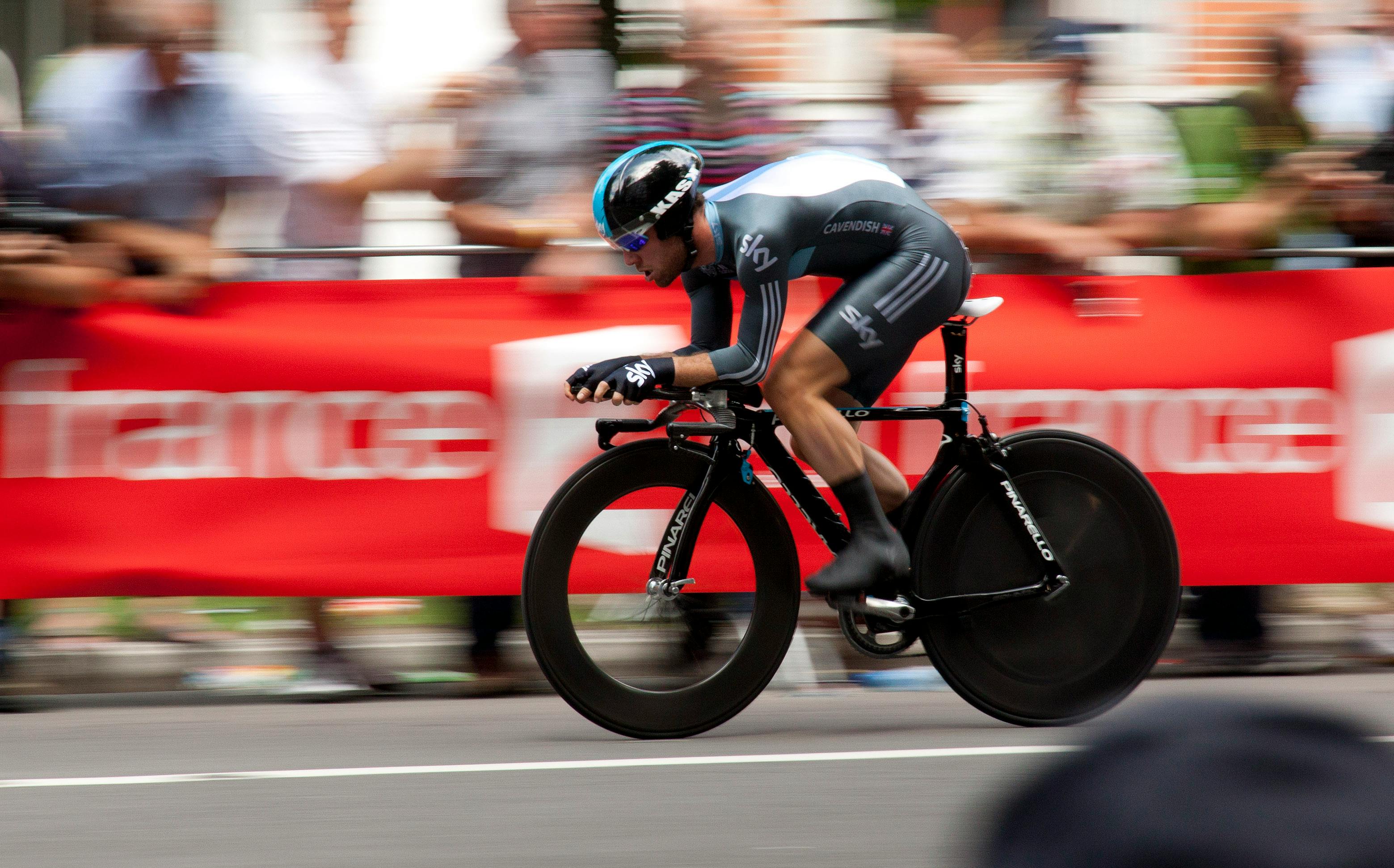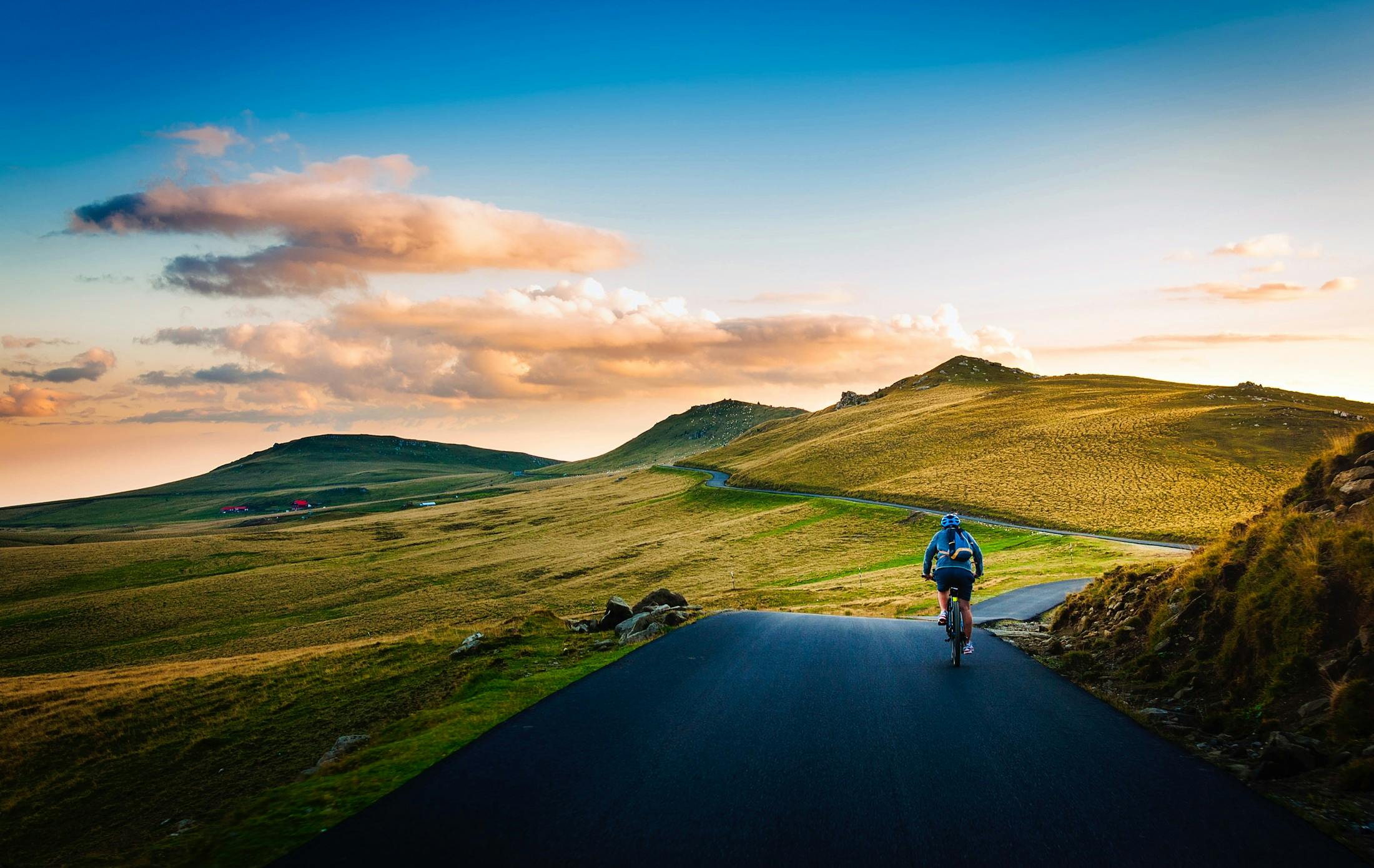
Women’s cycling is having a moment—and it’s long overdue. Prize money is increasing, media coverage is expanding, and a new generation of female riders is demonstrating that cycling at its highest level is every bit as exciting and competitive when women are racing.
Here are some of the riders and figures making women’s cycling impossible to ignore.
The Racing Elite
Marianne Vos: The Greatest Ever?
It’s a bold claim, but there’s a case to be made that Marianne Vos is the most complete cyclist—male or female—in history. Her palmarès reads like fiction:
- Three World Road Race Championships
- Seven Cyclocross World Championships
- Olympic gold in road racing and a medal in track
- Multiple stage wins in the Tour de France Femmes
- Over 240 professional victories
What makes Vos remarkable isn’t just the winning—it’s the breadth. Road racing, track, cyclocross, mountain biking: she’s been elite in disciplines that normally require completely different skill sets.
Now in her late thirties, she’s still winning. That kind of longevity in a sport this demanding speaks to something beyond pure talent—a work ethic and love for cycling that continues to inspire.
Annemiek van Vleuten: Redefining Limits
Van Vleuten’s career has been defined by breathtaking solo attacks and the kind of suffering-embracing mentality that makes viewers wince.
The images are burned into cycling consciousness: her horrific Rio Olympics crash, then her comeback to win the time trial in Tokyo. Her brutal dominance in mountain stages. Her 2022 world championship victory at 39 years old, still attacking when riders half her age couldn’t follow.
What van Vleuten demonstrates is that peak performance in cycling can extend far beyond expected age limits—and that setbacks, even devastating ones, don’t have to be career-ending.
Demi Vollering: The Future Now
If Vos and van Vleuten represent cycling’s recent history, Vollering represents its present and future. The Dutch rider won the 2023 Tour de France Femmes with a performance that combined tactical intelligence, climbing brilliance, and mental strength.
Vollering has spoken openly about pressure, anxiety, and the mental challenges of professional sport—rare honesty that resonates with anyone who’s struggled with the psychological side of performance.
Kasia Niewiadoma: Grace Under Pressure
The Polish rider has been among the world’s best for years, winning major races while also becoming one of the sport’s most articulate voices about what it means to compete at the highest level.
Niewiadoma’s near-miss at the 2024 Tour de France—holding the yellow jersey by the narrowest possible margin against Vollering’s final stage attack—showed both her physical capabilities and mental resilience.
The Adventurers
Lael Wilcox: Ultra-Distance Legend
When Lael Wilcox won the Trans Am Bike Race in 2016—4,200 miles across America, unsupported—she wasn’t just the first woman to win; she beat everyone, period.
Wilcox has continued to push boundaries in ultra-distance cycling, setting multiple records and demonstrating that endurance at its extreme levels isn’t about gender—it’s about the willingness to suffer and the ability to keep moving when everything says stop.
Jenny Graham: Around the World
In 2018, Jenny Graham became the fastest woman to cycle around the world—18,000 miles in 124 days. That’s an average of over 145 miles per day, every day, for four months.
Graham did it largely unsupported, navigating mechanical issues, illness, and the logistics of crossing continents alone. Her achievement proved that adventure cycling at its most extreme is absolutely not limited to men.
Emily Chappell: Writer and Rider
Emily Chappell combines serious endurance cycling credentials (she’s competed in the Transcontinental Race multiple times) with a gift for writing about what long-distance riding actually feels like.
Her books and essays capture the strange mental states, the profound discomfort, and the transcendent moments of ultra-distance cycling better than almost anyone. She’s inspiring not just through her riding but through her ability to articulate why people ride.
The Pioneers
Beryl Burton: The Original
Long before women’s cycling had professional teams or Grand Tours, Beryl Burton was dominating. The Yorkshire rider set records in the 1960s and 70s that stood for decades—including a 12-hour time trial record that beat the existing men’s record.
Burton did this while working as a farm laborer and racing without the support structures modern professionals enjoy. Her dedication—and her results—laid groundwork for everything that followed.
Marianne Martin: First Tour de France Femmes Winner
When the first women’s Tour de France was held in 1984, American Marianne Martin won it. She crossed the Tourmalet and stood on the podium in Paris, proving women could race at the highest level in stage racing.
It took nearly 40 years for women’s Tour racing to return properly, but Martin’s victory showed what was possible.
The Community Builders
Abi Smith: Making Cycling Accessible
Not all inspiration comes from racing. Abi Smith, through coaching and advocacy work, has focused on making cycling genuinely accessible to women who might not see themselves as “cyclists.”
Her work addresses the real barriers—intimidation, safety concerns, lack of visible role models—that keep women off bikes. Sometimes the most important work isn’t winning races; it’s opening doors.
The Club Leaders
Across the world, women are starting clubs, leading rides, and creating spaces where female cyclists can learn and grow without feeling like outsiders in a male-dominated sport.
These aren’t famous names, but they’re doing the grassroots work that will ultimately determine cycling’s demographic future.
Why Representation Matters
The growth of women’s cycling isn’t just about fairness or equality (though it’s about those too). It’s about the sport becoming better, richer, and more interesting.
When women see professional female cyclists succeeding at the highest levels, something shifts. The message becomes clear: this sport is for you too.
Young girls watching Vollering attack on Tourmalet or Vos sprint for a stage win can see a path forward. They can imagine themselves in that position. That imagination is where the next generation of cyclists begins.
What We Can All Learn
The women profiled here share certain qualities:
Resilience. Almost all have overcome significant setbacks—crashes, injuries, defeats—to reach their achievements.
Persistence. Cycling rewards those who keep showing up. These women demonstrate that lesson repeatedly.
Passion. The love for cycling that drives them is evident. They’re not just tolerating the sport; they’re devoted to it.
Willingness to suffer. At the highest level, cycling hurts. These women embrace that reality rather than avoiding it.
The Future Is Bright
Women’s cycling has never been stronger, more visible, or more inspiring. Prize money is increasing (though not yet equal). Media coverage is expanding. New teams are forming. Young talent is emerging.
The riders mentioned here are part of a movement larger than any individual. They’re proving—race by race, achievement by achievement—that women’s cycling deserves attention, investment, and respect.
For female cyclists just starting out, or considering whether this sport is for them, the message from these riders is clear: you belong here. Your goals are valid. Your achievements matter.
Get on the bike. See where it takes you.
The women who came before have shown what’s possible. It’s your turn now.