Cycling history is filled with remarkable victories, record-breaking performances, and dominant champions. But some of the sport’s most inspiring stories aren’t about winning—they’re about coming back when coming back seemed impossible.
These riders faced setbacks that would end most careers. They refused to accept that verdict.
The Professional Comebacks
Remco Evenepoel: From Near-Death to World Champion
In August 2020, Remco Evenepoel—then the brightest young talent in cycling—crashed over a bridge parapet at Il Lombardia, falling nearly 10 meters into a ravine. The injuries were severe: fractured pelvis, contused lung.
Many wondered if he’d ever race again. Evenepoel not only returned—he became World Champion in 2022 and won the Vuelta a España in the same year, then defended both titles.
What makes Evenepoel’s comeback remarkable isn’t just the physical recovery. It’s the mental recovery from a crash that could have created permanent psychological barriers. He came back not cautious and diminished, but attacking and dominant.
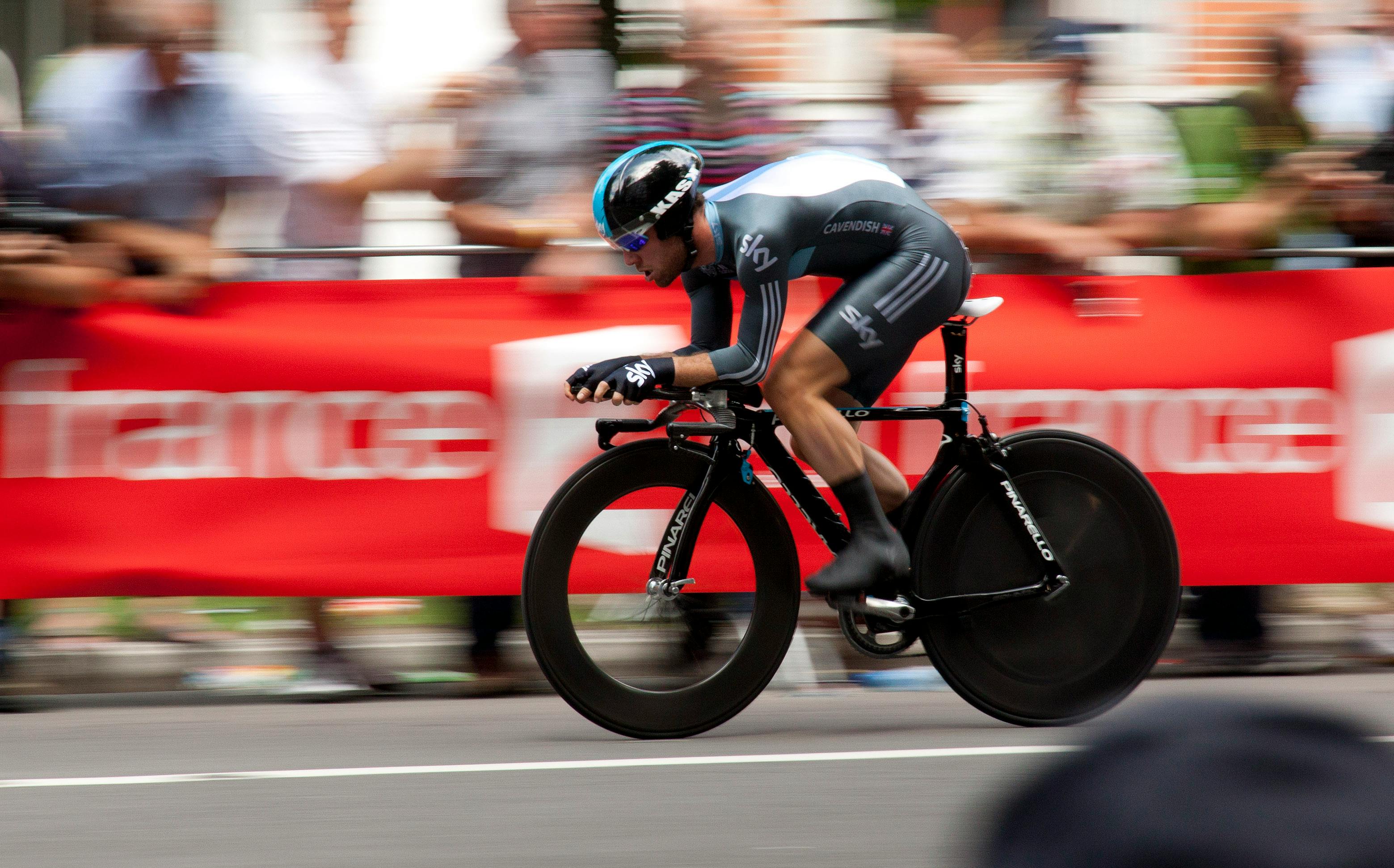
Mark Cavendish: From Written Off to Record Holder
By 2020, Mark Cavendish’s career seemed over. Struggling with Epstein-Barr virus, dropped by teams, unable to compete at the level that had made him the best sprinter of his generation.
Few expected him to return meaningfully. Certainly no one expected him to break Eddy Merckx’s all-time Tour de France stage win record.
Yet in 2024, at 39 years old, Cavendish took his 35th Tour stage victory—one more than Merckx. A record many thought would stand forever, broken by a rider whose career had been declared finished.
Chris Froome: Rebuilding from Catastrophe
In June 2019, Chris Froome crashed during a recon ride at the Critérium du Dauphiné. The injuries were horrific: broken femur, broken elbow, broken hip, broken ribs, fractured vertebrae. He was initially given a 50% survival chance.
Froome not only survived—he returned to professional racing. Not at his previous level, and not winning Grand Tours, but competing. For a four-time Tour de France winner to relearn how to walk, then ride, then race at WorldTour level represents a comeback most would have abandoned.
Fabio Jakobsen: Back from the Brink
The images from Fabio Jakobsen’s 2020 Tour de Pologne crash remain among cycling’s most disturbing. Pushed into barriers at 80+ km/h, his face and skull were devastated. Doctors induced a coma. Multiple surgeries were required just to reconstruct his face.
Less than a year later, Jakobsen was racing again. By 2022, he was winning Grand Tour stages. In 2023, he won the green jersey at the Tour de France—the sprinters’ championship.
Jakobsen’s physical courage is obvious. Less visible is the psychological work required to sprint at full speed, surrounded by other riders, after experiencing what he experienced.
The Everyday Comebacks
Professional cyclists have medical teams, sponsors, and structure supporting their recoveries. Everyday cyclists often face similar challenges with far fewer resources.
Coming Back from Serious Injury
Thousands of cyclists have rebuilt riding lives after breaks, surgeries, and setbacks that could have ended their participation in the sport.
The stories share common elements:
The initial devastation: Hearing “you may not ride again” or facing months of rehabilitation.
The decision to try: Choosing to pursue recovery rather than accepting limitation.
The long process: Weeks and months of gradual progression. Two steps forward, one step back.
The breakthrough moment: When riding feels like riding again, not like rehabilitation.
The new perspective: Appreciation for what was almost lost. Gratitude for every ride.
Coming Back from Illness
Chronic illness, cancer diagnoses, cardiac events—cycling sees riders return from health challenges that seem incompatible with endurance sport.
What makes these comebacks possible:
Medical clearance and guidance: Working with healthcare providers who understand both the risks and the benefits of continuing to ride.
Adjusted expectations: Redefining success. Sometimes riding at all is the victory.
Patience: Accepting that the timeline isn’t controllable.
Community support: Others who understand and encourage the process.
Coming Back from Life
Not all breaks from cycling are physical. Career demands, family obligations, depression, burnout—life pulls people away from riding for months or years.
The comeback from these interruptions requires:
Forgiveness: Releasing guilt about the time away.
Realistic starting point: Beginning where you are, not where you were.
Rebuilt identity: Reconnecting with “cyclist” as part of who you are.
Sustainable integration: Building cycling back into life in a way that lasts.
What Comebacks Teach Us
The Body Recovers (Often More Than Expected)
Medical predictions are probabilities, not certainties. Many cyclists have exceeded what doctors expected because human bodies, given time and opportunity, often surprise us.
This doesn’t mean ignoring medical advice—it means not accepting pessimistic predictions as absolute limits.
The Mind Is the Real Challenge
Ask any comeback athlete about the hardest part, and physical rehabilitation rarely tops the list. The mental work—processing trauma, managing fear, maintaining motivation through setbacks—is typically more demanding.
Physical healing follows predictable patterns. Mental healing is nonlinear and individual.
Comebacks Redefine Success
Evenepoel came back and won world championships. Froome came back and competed at WorldTour level without winning Grand Tours. Both are successful comebacks.
The measure isn’t “returning to previous level”—it’s “becoming what you can become now.” That might be greater than before, or it might be different than before.
The Process Is the Point
Comebacks take time. There are no shortcuts through rehabilitation, no hacks that skip the difficult middle period.
But that extended process creates something. The person who emerges from a comeback has developed resilience that those who’ve never faced setbacks haven’t built.
For Those Currently Facing Setbacks
If you’re in the midst of a cycling interruption—injury, illness, life circumstances—consider:
You’re not alone. Thousands of cyclists have faced similar challenges and returned.
The timeline isn’t fixed. Your comeback might be faster or slower than expected. Both are okay.
Progress isn’t linear. Good days and bad days are both normal. The trend matters more than individual data points.
Help exists. Physical therapists, coaches, sports psychologists, cycling communities—resources are available.
Your story isn’t over. This chapter is difficult. It’s still not the ending.
The Deeper Inspiration
Comeback stories inspire not because they show superhuman ability, but because they show human choice.
Evenepoel could have retired after his crash. Cavendish could have accepted that his time was over. Jakobsen could have never wanted to see a peloton again.
They chose differently.
That choice is available to anyone facing setbacks. Not the choice to guarantee success—that’s never available. The choice to try. To show up for rehabilitation. To believe that the story might have more chapters.
The outcome isn’t controllable. The attempt is.
Your Comeback
Maybe you’re coming back from something right now. Maybe you will be someday—cycling careers are long, and setbacks are common.
When that moment comes, remember:
Others have faced worse and returned. The process takes what it takes. Every pedal stroke forward matters. The person you’ll become is shaped by this challenge.
Comebacks aren’t about erasing what happened. They’re about writing what comes next.
Your next chapter is waiting to be written.
The bike is ready whenever you are.