The Lagos de Covadonga climb combines spiritual history, natural beauty, and genuine cycling difficulty into one unforgettable experience. Rising from the sacred site of Spanish Christianity to the glacial lakes of the Picos de Europa, this is cycling pilgrimage in the truest sense.
The Sacred Beginning
The climb begins at Covadonga, where in 722 AD the Visigothic nobleman Pelayo won a battle against Moorish forces that Spaniards consider the start of the Reconquista. The basilica and cave shrine draw thousands of pilgrims annually. As a cyclist, you start your own pilgrimage from this loaded historical ground.
Route Profile
From Covadonga to the Lakes
- Distance: 12.2 km
- Elevation Gain: 1,005 m
- Average Gradient: 8.2%
- Maximum Gradient: 15%
The climb begins steep from the Covadonga sanctuary and rarely relents. The first 5 kilometers are the most demanding, with gradients consistently around 10%. A brief respite comes mid-climb before the final push to the lakes at 1,134 meters.
Full Approach from Cangas de Onís
- Distance: 22+ km
- Total Elevation: 1,150+ m
Starting from the historic town of Cangas de Onís adds 10km of gentle valley riding, including passage past the famous medieval bridge with its replica of the Victory Cross.
What Makes It Special
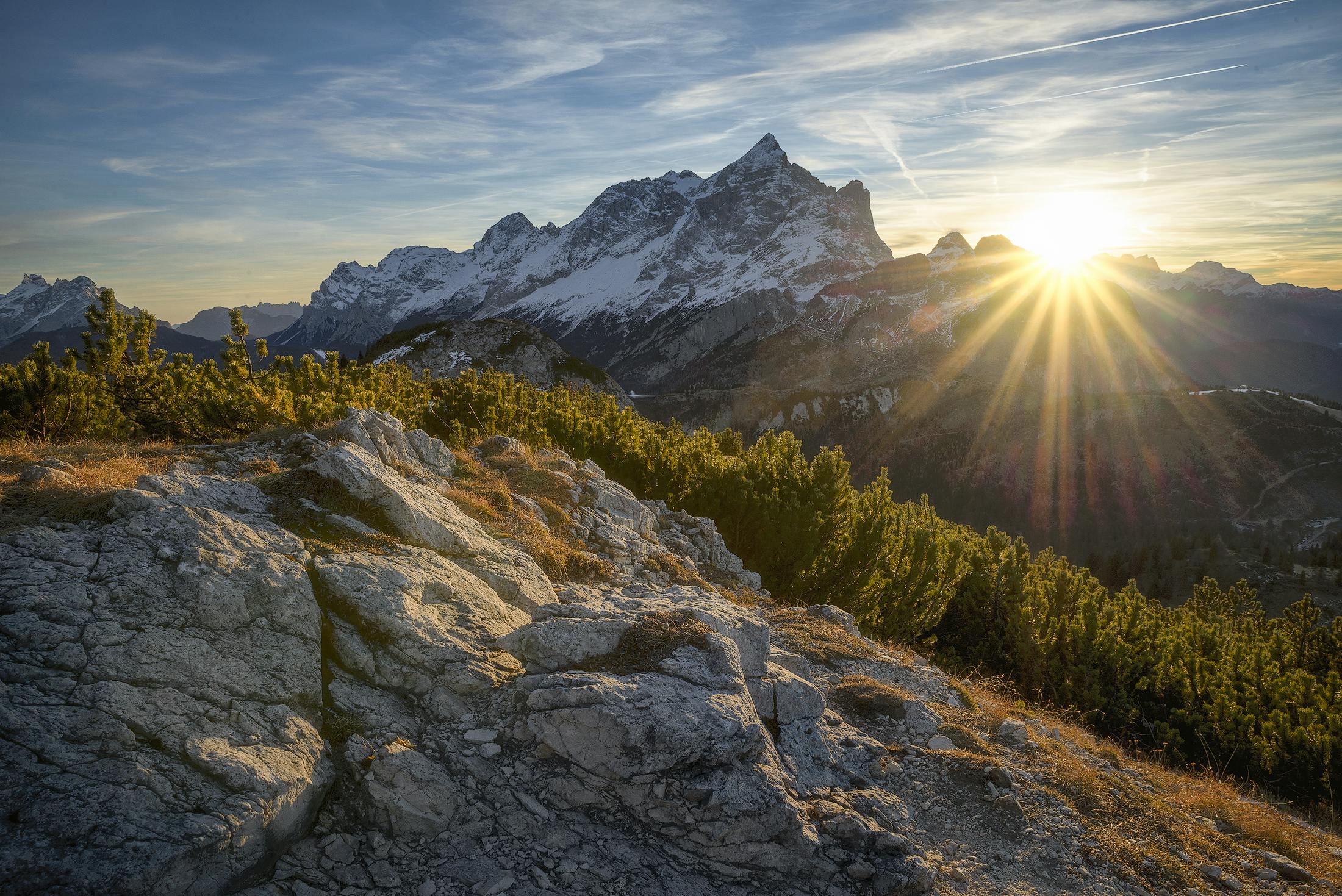
The Setting: The Picos de Europa are among the most dramatic mountains in Spain—limestone peaks rising sharply from green valleys. The contrast between Atlantic climate vegetation and alpine peaks is extraordinary.
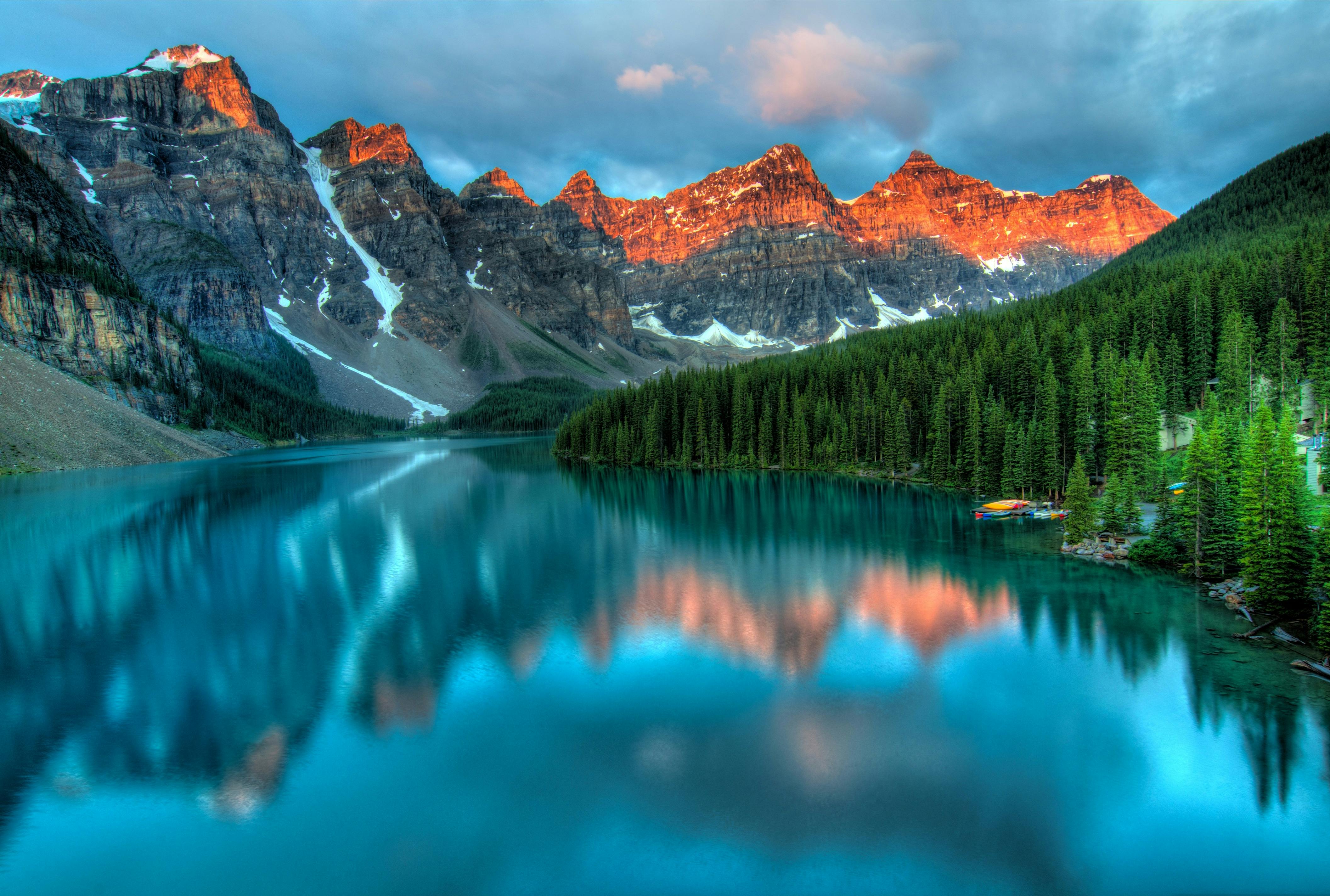
The Lakes: The climb culminates at two glacial lakes—Lago Enol and Lago de la Ercina—nestled in a cirque below the peaks. These emerald waters reflect the mountains above, creating one of cycling’s most beautiful summit destinations.
The History: Covadonga carries eight centuries of significance. Climbing from this sacred site adds meaning beyond mere sport.
The Challenge: Unlike the extreme gradients of nearby Angliru, Covadonga offers demanding but more even climbing—a test of sustained effort rather than survival.
Vuelta a España History
The Lagos de Covadonga has been a Vuelta summit finish since 1983 and has produced countless dramatic moments:
1985: Pedro Delgado’s victory announced a new Spanish champion.
1992: Tony Rominger’s dominance in difficult conditions.
2014: Alejandro Valverde’s emotional stage win.
2021: A snow-shortened stage that added to the climb’s mystique.
The Lakes are beloved by Spanish fans, who line the roadside in massive numbers during Vuelta stages.
Best Time to Ride
May through October offers the main season. The Atlantic climate means rain is possible year-round.
Early morning beats both tourist traffic and afternoon weather.
September often brings clear skies and smaller crowds after the summer rush.
Vuelta period: If the race visits, expect closed roads and massive crowds—amazing atmosphere but not for casual riding.
Practical Strategy
Gearing: A compact crank with 34x28 or 34x32 handles the gradients well. Unlike the Angliru, standard road gearing is sufficient for most riders.
Pacing: The first 5 kilometers are the steepest. Start conservatively—many riders blow up early and struggle to the finish.
Fueling: Limited facilities exist at the lakes. Carry sufficient food and water, especially on warm days.
Weather: The Atlantic climate means changeable conditions. Pack a rain jacket and arm warmers regardless of the forecast.
The Climb Experience
Kilometers 1-5: The steep opening from Covadonga climbs through dense forest on narrow, winding roads. Gradients hit 12-15% in places. This section separates those who’ll ride from those who’ll walk.
Kilometers 5-8: A relative respite with gradients around 6-8%. Use this section to recover and prepare for the final push.
Kilometers 8-12: The road opens up as you enter the high country. Lago Enol appears first, followed by the final climb to Lago de la Ercina. The views of the peaks above are extraordinary.
The Lakes
Arriving at the lakes is reward for the suffering below. Lago Enol reflects the surrounding peaks in its emerald waters. The larger Lago de la Ercina sits slightly higher, in a dramatic cirque beneath the Picos.
A rifugio operates during summer, offering refreshments and the chance to extend your time in this spectacular setting. Many cyclists spend an hour or more at the lakes before descending.
Wildlife and Nature
The Picos de Europa National Park is home to remarkable wildlife:
- Chamois (rebeco) frequently spotted on the high slopes
- Golden eagles circle the peaks
- The area is one of the last refuges of the Cantabrian brown bear
The transition from Atlantic forest to alpine meadow happens rapidly on this climb—a botanical journey alongside the physical one.
The Descent
The descent to Covadonga is technical with numerous tight hairpins and some rough surface patches. The gradients that challenged you ascending will accelerate you rapidly descending. Take care, especially if conditions are wet.
Combination Routes
The Lagos fit well into broader Asturian adventures:
- Covadonga + Angliru: The ultimate Asturian double for those with unlimited ambition. Two days recommended.
- Picos Circuit: Combine with the spectacular roads through the Cares Gorge area.
- Asturian Grand Tour: Use Covadonga as part of a multi-day exploration of the region’s incredible roads.
Why You Should Ride It
Lagos de Covadonga delivers something rare in cycling: a climb where history, beauty, and challenge combine in equal measure. You begin at a site sacred to Spanish identity, climb through forests and meadows, and arrive at glacial lakes beneath dramatic peaks.
The climb itself is demanding but achievable. Unlike the extreme gradients of the Angliru, Covadonga rewards steady effort and good pacing. It’s a climb where recreational cyclists can share the same roads and summit views as Vuelta professionals.
And those views—the lakes reflecting the Picos, the eagles circling overhead, the sense of having earned something beautiful—make this one of cycling’s most satisfying destinations.
Some climbs test your limits. Lagos de Covadonga feeds your soul. Every cyclist who loves mountains should stand at the shores of Lago Enol at least once, having earned it through their own effort. This is what cycling in the mountains is really about.