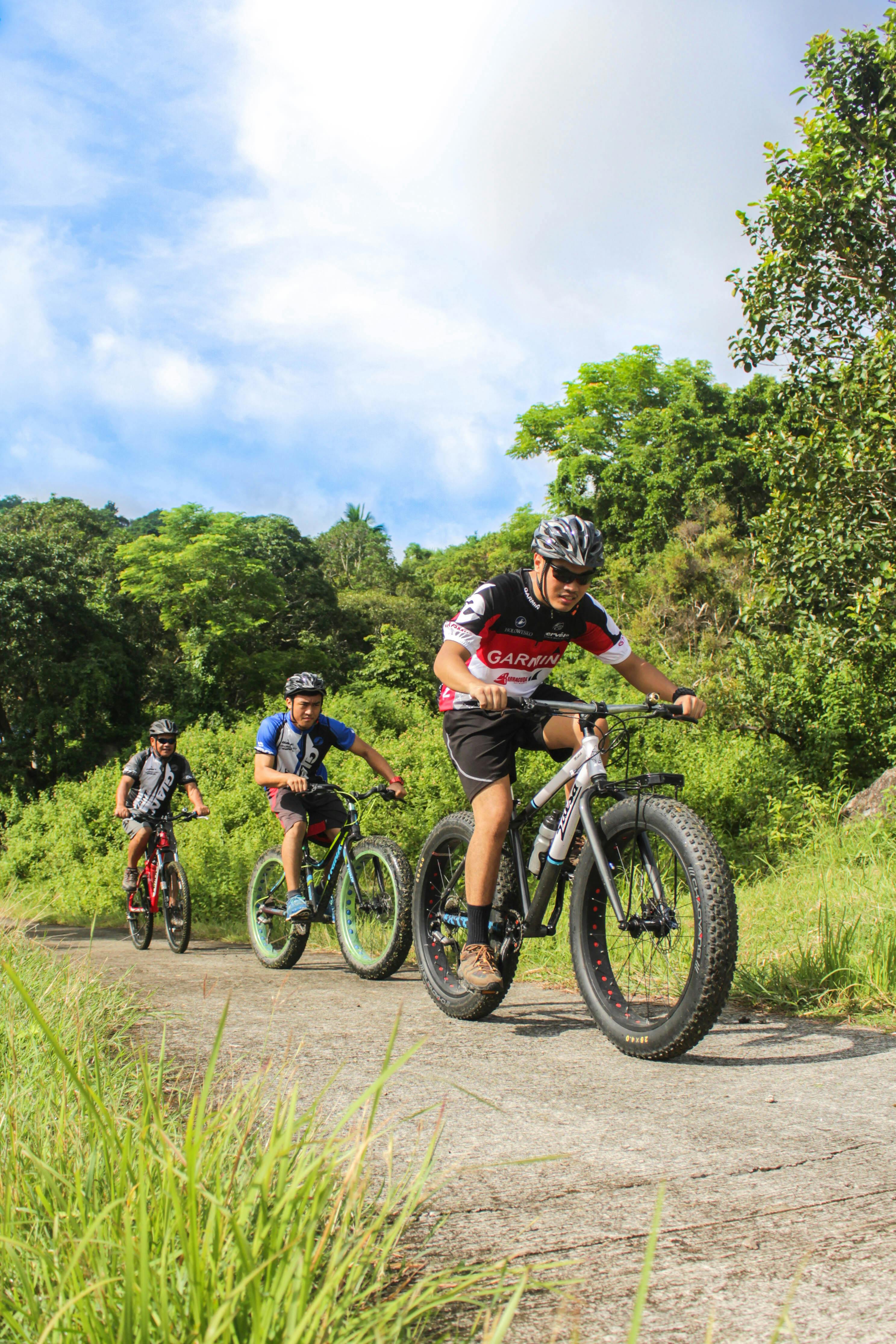
The fastest way to ride more consistently, improve more quickly, and enjoy cycling more deeply is also the simplest: find other cyclists to ride with.
This isn’t a motivational platitude. It’s behavioral science. Social accountability, shared goals, and the mild competitive pressure of group riding are among the most powerful behavior change mechanisms that exist. Elite athletes use them. You should too.
Why Community Multiplies Motivation
The accountability effect: You’re far less likely to skip a ride when someone is waiting for you. Missing a training session is easy when the only person you’re letting down is yourself. Harder when it’s twelve people who rearranged their morning for a group ride.
The pull effect: Riding in a group is faster and easier than riding alone at the same power output, thanks to drafting. The faster pace feels manageable because you’re sharing the work. You come home having done a harder ride than you’d have managed solo, but feeling less depleted.
The invisible learning: Technical skills, route knowledge, pacing strategy, nutrition timing — experienced riders carry this knowledge and share it casually. An hour with experienced cyclists is worth months of solo trial and error.
The identity reinforcement: When you have a regular group, cycling shifts from “something I do occasionally” to “something I do with these people.” Community is the fastest route to a durable cycling identity.
Finding Your Cycling Club
Local Road Cycling Clubs
Most towns have a cycling club. In the UK, use Cycling UK’s club finder or the British Cycling club directory. In Europe, look for the national federation equivalent. In the US, USA Cycling’s club locator works.
Before joining, check the club’s website for their group ride structure:
- Social rides: No-drop policy, everyone finishes together. Perfect for newcomers.
- Chain gang / training rides: Faster, structured, more competitive. Build fitness first.
- Reliability ride: Longer weekend rides at moderate pace. The classic club ride format.
Start with social or beginner-friendly rides and build from there. Most clubs have multiple pace groups precisely because they want new members.
Cycling Cafés
In many cities, cycling cafés have become community hubs. They host regular rides, display local route maps, and attract cyclists who stop in before and after rides. Walking into a cycling café is one of the easiest social entrances into local cycling culture — the conversation starts itself.
Informal Group Rides
Strava Local has a guide to organized group rides. Meetup.com often lists cycling groups. Facebook groups organized around local cycling are common in most areas.
The most sustainable communities are often the informal ones — a handful of people who ride every Tuesday at 7am because they started doing it two years ago and haven’t stopped.
Online Cycling Communities
You don’t have to ride together to benefit from community. Online communities provide accountability, knowledge sharing, and the social dimension of cycling without the logistics of in-person coordination.
Strava: The most natural social layer for cyclists. Follow friends, give and get kudos, join Strava clubs (many local clubs have Strava groups to complement physical meetups).
Reddit: r/cycling, r/velo, r/gravelcycling. High-quality discussions on training, gear, routes, and everything else cycling.
Zwift: Online riding platforms have their own communities. Organized races, group rides, and events create real social connections between riders who’ve never met in person.
Discord and Telegram: Many clubs and cycling groups have moved beyond Facebook to Discord or Telegram for ride coordination. These are worth tracking down for your local area.
Group Ride Etiquette for New Riders
Joining a group ride for the first time can feel intimidating. Here’s what to know:
Hold your line: Don’t swerve unpredictably. In a group, sudden movements can cause crashes. Ride predictably.
Call out hazards: Glass, potholes, dogs, cars pulling out — call these loudly and point them out. This is standard etiquette, not showing off.
Don’t overlap wheels: In a paceline, keep your front wheel behind the rear wheel of the rider in front. Overlapping and touching wheels is how crashes start.
Take your turn: In a rotating paceline, everyone spends time at the front. Don’t sit in the wheel indefinitely without contributing.
Communicate: “Slowing,” “stopping,” “car back,” “car front” — these verbal signals are the language of group riding. Listen and use them.
Most groups are welcoming to newcomers who are honest about their fitness level. Better to ask if a ride is suitable for you beforehand than to struggle at the back and hold the group up.
The Different Types of Riders You’ll Meet
The Navigator: Knows every route in a 50-mile radius. Invaluable. Their knowledge of quiet lanes and scenic alternatives is worth more than any route app.
The Mechanic: Can fix anything on the roadside. Always pay attention when they explain something.
The Veteran: Has been riding these roads for thirty years. Slower now, but contains more cycling wisdom per sentence than anyone else on the ride.
The Enthusiast: Just got into cycling two years ago and is absolutely relentless in their passion. Contagious energy.
The Quiet Strong One: Says little, always at the front when it matters. Sets the standard.
Every group has versions of these people. They’re what makes group cycling richer than solo riding.
What If You’re Introverted?
Not everyone is naturally comfortable walking into social situations, especially physical activities where fitness differences are visible.
Start online. Join the Strava group before you join the physical ride. Learn who’s who. When you show up, you’re not meeting strangers — you’re meeting people you’ve already interacted with.
Come to the coffee stop, not the ride. Many clubs gather at a café after rides. Arriving for the social part first, before the physical part, is a lower-stakes entry point.
Find one person. One connection in a group is enough to anchor you there. You don’t need to be friends with everyone on day one.
The Payoff
Solo cycling is deeply satisfying. There’s value in time alone on a bike, processing thoughts, enjoying quiet roads.
But riders who build community consistently ride more, improve faster, and stick with cycling longer. The external motivation of a group compensates for the days when internal motivation is low — which, over months and years, happens to everyone.
Your cycling tribe is out there. Finding them might be the best cycling upgrade you make this year.
For more on the psychological side of cycling motivation, read our deep dive into finding your why as a cyclist and the research-backed guide to building habits that stick.